




|
Signature Sponsor

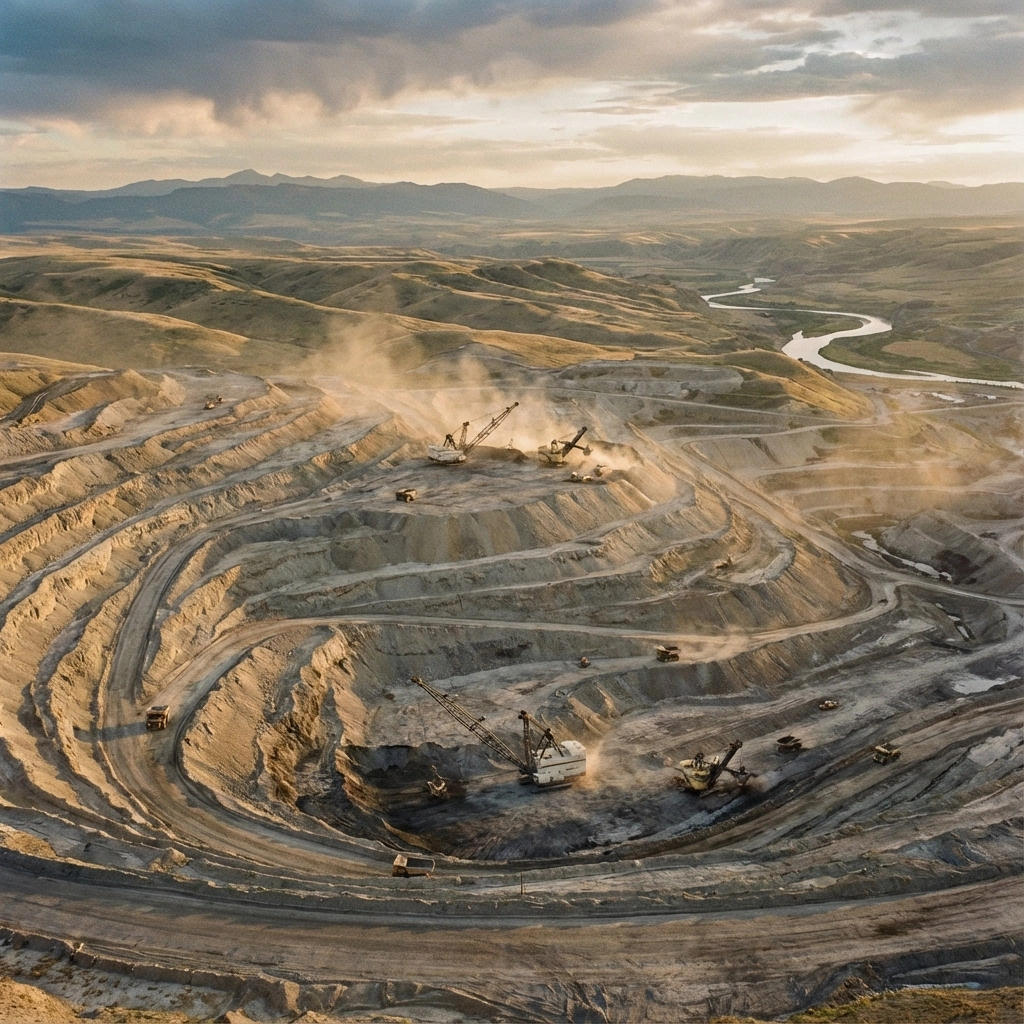
December 23, 2025 - Coal mining remains one of America's most challenging yet well-compensated blue-collar careers. As we move through 2025, coal mining salary trends reflect both the industry's ongoing transformation and regional economic factors that create significant pay differences across states. Whether you're considering a career change or evaluating opportunities in different mining regions, understanding how much coal miners make requires looking beyond national averages to see the real picture state by state. National Coal Mining Salary OverviewCoal miners across the United States earned an average of $51,273 annually in 2025, according to industry salary data. However, this figure masks substantial regional variations, with some states offering significantly higher compensation than others. The national hourly wage for coal miners ranges from $23 to $32 per hour, depending on experience level and specific job responsibilities. Entry-level coal mine workers typically start around $19.84 per hour, while experienced miners can earn $43 or more per hour in specialized positions. Top-Paying States for Coal MinersWest Virginia: The Coal Capital PremiumWest Virginia leads the nation in coal mining employment and offers competitive compensation to match. Coal miners in West Virginia earn an average of $58,400 annually, significantly above the national average. Underground miners salary in the state averages $62,100, reflecting the higher skill requirements and safety risks associated with underground operations. The state's deep mining heritage and established union presence contribute to these higher wages. Experienced miners in West Virginia's southern coalfields can earn upwards of $72,000 annually, particularly those working in longwall mining operations. Wyoming: Surface Mining PowerhouseWyoming's massive surface mining operations in the Powder River Basin offer some of the industry's most attractive compensation packages. Coal miners in Wyoming earn an average of $67,200 annually, with equipment operators and mining technicians commanding even higher salaries. The state's emphasis on large-scale surface mining means heavy equipment operators are in high demand, with salaries ranging from $55,000 to $85,000 depending on experience and equipment specialization. Wyoming's lower cost of living compared to coastal states makes these salaries particularly attractive. Pennsylvania: Underground Expertise Commands PremiumPennsylvania's underground mining operations require specialized skills that translate to higher compensation. Coal mining salary averages in Pennsylvania reach $56,800 annually, with underground miners earning a premium of approximately 15% over surface mining positions. The state's emphasis on safety training and certification programs means certified miners with additional qualifications can earn $65,000 to $78,000 annually. Roof bolter operators and longwall mining technicians represent the highest-paid positions in Pennsylvania's mining sector. Regional Salary BreakdownAppalachian Region
The Appalachian region's underground mining focus typically results in higher base salaries but also requires more specialized training and safety certification. Western States
Western states often offer higher salaries to attract workers to remote mining locations, with many companies providing housing allowances or on-site accommodations.
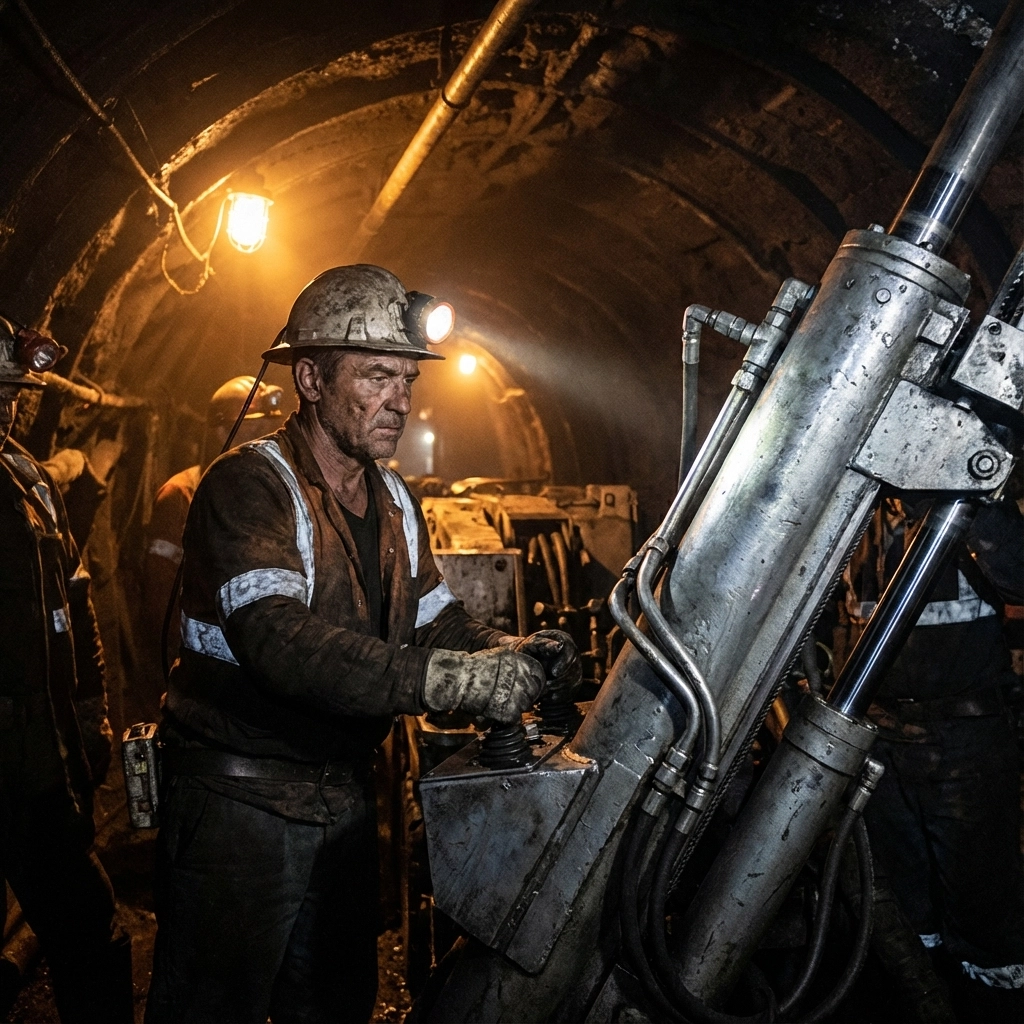
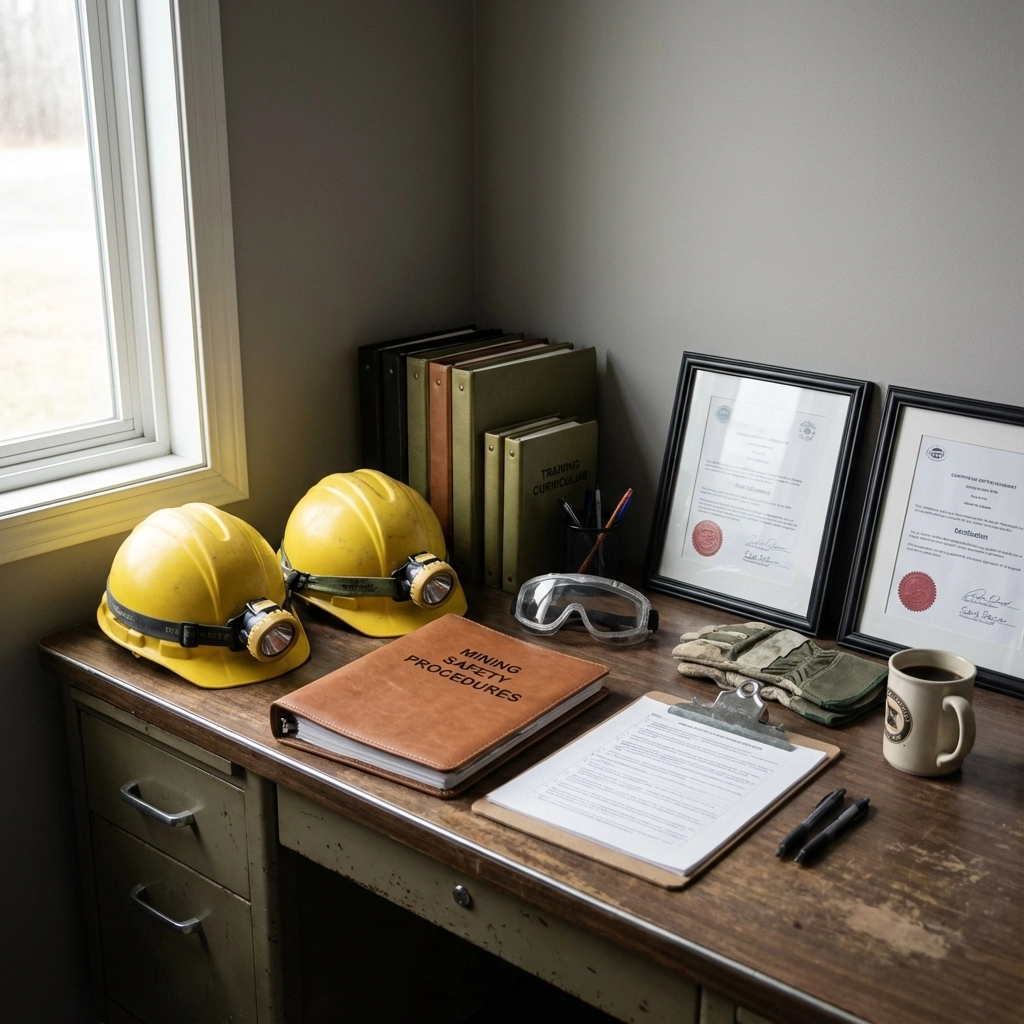
Factors Affecting Coal Mining SalariesExperience and Certification LevelsEntry-level coal miners typically start between $38,000 and $45,000 annually. However, miners with Mine Safety and Health Administration (MSHA) certifications and specialized training can quickly advance to higher pay grades. Miners with 5-10 years of experience generally earn $55,000 to $70,000 annually, while those with over 15 years of experience and leadership responsibilities can earn $75,000 to $95,000 or more. Underground vs. Surface MiningUnderground miners consistently earn more than their surface mining counterparts due to the increased safety requirements and specialized skills needed. The underground miners salary premium averages 12-18% above surface mining positions in the same region. Underground mining positions also typically offer more overtime opportunities, which can significantly boost annual earnings for motivated workers. Union Membership ImpactUnionized coal mining positions generally offer higher base wages, better benefits packages, and more predictable wage increases. United Mine Workers of America (UMWA) contracts often result in wages 15-25% higher than non-union positions in similar locations. Highest-Paying Coal Mining PositionsCoal Mine Foremen and SupervisorsAverage salary: $89,000 – $105,000 annually Experienced supervisors who manage mining operations, safety protocols, and crew coordination command the highest salaries in coal mining. These positions require extensive experience and often additional safety certifications. Mining EngineersAverage salary: $82,000 – $98,000 annually Mining engineers who design extraction plans, ensure regulatory compliance, and optimize mining operations represent the technical leadership of mining operations.
Equipment Operators and TechniciansAverage salary: $58,000 – $76,000 annually Specialized heavy equipment operators, particularly those working with longwall mining systems or large surface mining equipment, earn premium wages due to their specialized skills. Safety Inspectors and CoordinatorsAverage salary: $62,000 – $78,000 annually Mining safety professionals ensure MSHA compliance and accident prevention, roles that have become increasingly important and well-compensated. Benefits and Total CompensationCoal mining compensation extends beyond base salaries to include comprehensive benefits packages that significantly increase total compensation value. Healthcare and Insurance BenefitsMost coal mining positions offer fully-paid or heavily subsidized health insurance for miners and their families. These healthcare packages typically include dental and vision coverage, with total value often exceeding $15,000 annually per family. Retirement and Pension BenefitsMany coal mining companies offer 401(k) matching programs ranging from 3-6% of salary. Additionally, some unionized positions still offer traditional pension benefits, providing long-term financial security for career miners. Overtime and Shift DifferentialsCoal miners frequently work overtime hours, with time-and-a-half pay for hours beyond 40 per week. Night shift and weekend work often include shift differentials of $1-3 per hour, allowing motivated workers to significantly increase their annual earnings.
Career Advancement and Salary GrowthThe coal mining industry offers clear advancement pathways for dedicated workers. New miners who pursue additional certifications and demonstrate strong safety records can advance to equipment operator positions within 2-3 years, representing salary increases of $8,000-$12,000 annually. Leadership roles in mining operations typically require 7-10 years of experience but offer substantial salary increases. Crew leaders and shift supervisors earn $65,000-$80,000 annually, while mine superintendents can earn $90,000-$120,000 or more. Maximizing Your Coal Mining SalaryPursue Specialized CertificationsMSHA certifications in specialized areas like electrical systems, heavy equipment operation, or safety coordination can increase earning potential by $5,000-$15,000 annually. Consider Geographic MobilityMiners willing to relocate to high-paying states like Wyoming or Alaska can often increase their salaries by 20-30% while potentially reducing their cost of living. Develop Leadership SkillsMiners who demonstrate leadership capabilities and pursue supervisory training often advance faster and earn significantly higher salaries throughout their careers.
Industry Outlook and Salary TrendsWhile coal mining faces long-term challenges from renewable energy adoption, current market conditions support stable to increasing wages for skilled miners. The industry's focus on productivity and safety means demand remains strong for qualified, certified miners. Specialized positions in mine safety, environmental compliance, and advanced mining technology continue to see salary growth as the industry adapts to evolving regulations and operational requirements. Understanding how much coal miners make requires recognizing that location, experience, and specialization create significant salary variations within the industry. While national averages provide a baseline, the real earning potential for coal miners depends heavily on choosing the right state, developing valuable skills, and pursuing advancement opportunities within this essential American industry. For those considering coal mining careers, focusing on states with strong mining economies and pursuing relevant certifications represents the best path to maximizing earning potential in this challenging but rewarding field. |





|