









|
Signature Sponsor


By Stephen Smoot
January 8, 2026 - When Thomas Jefferson wrote his “Notes on the State of Virginia” in the 1780s, spotlighting the resources and potential of both the settled east and the barely developed, but resource-rich mountains, he saw coal as one of the keys to future prosperity. At that point, it mainly was used to refine metals for use, but Jefferson noted the importance of its abundance in the western part of his state.
After releasing his “50 by 50” plan to jump start energy production in West Virginia, Governor Patrick Morrisey called for comments from the public. The West Virginia Coal Association’s response made it clear that it hoped to see coal remain as key over the next 240 years as it has been in the previous.
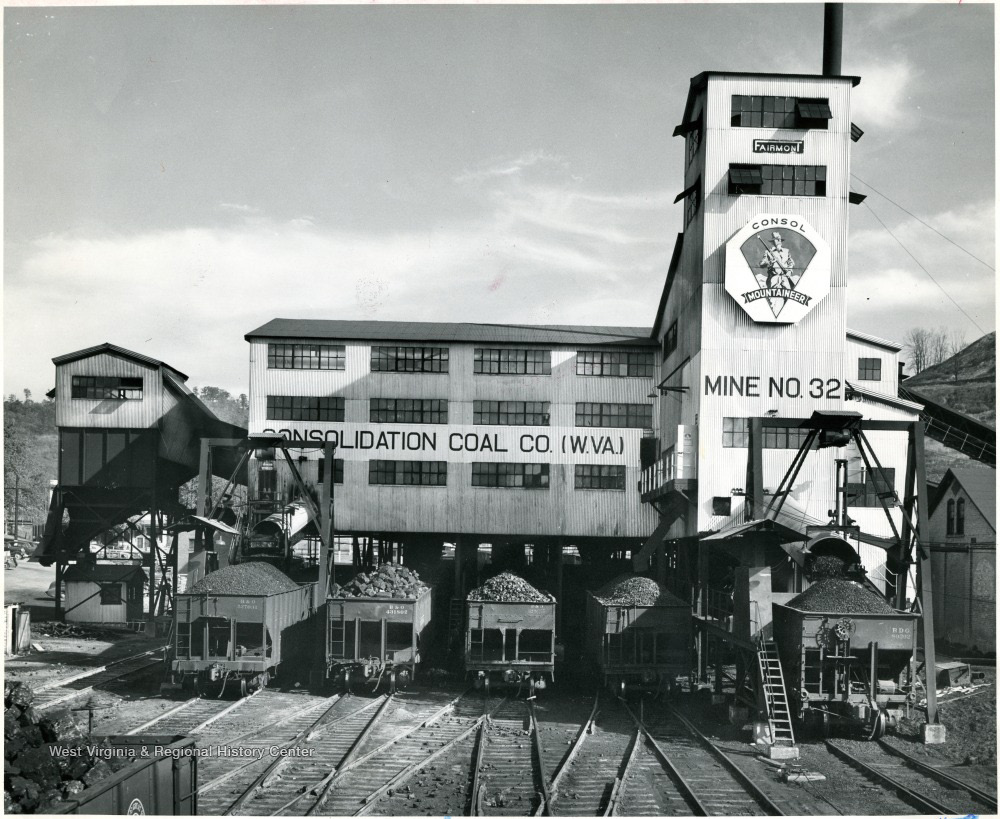
The Consolidated Coal operation at Owings. The WVCA requested more help to rejuvenate the industry for the future.
In comments addressed to Nick Preservati, Director of the West Virginia Office of Energy, the WVCA worked to make the case that the traditional mineral powering Mountain State power needs remains the centerpiece of future plans.
The statement, submitted to the Office of Energy on the day following Christmas, stated that “West Virginia coal continues to fuel American industrial strength and will secure a resurgence of American manufacturing.” Additionally, it noted “West Virginia coal also has a prominent position in the world energy market” and serves as a boost to “our international partners” in their own economic development.
The statement praised “President Trump’s energy team” which “has been working at record pace to undo the damage inflicted on the nation’s coal industry from previous federal administrations.” It went on to say “this action involves reversing and repealing a number of administrative actions and onerous federal regulations.” The WVCA explained that they targeted “coal mining and coal-fired electric plants,” but it also hit customers as higher regulations led directly to higher power bills.
“Tax burdens and regulatory requirements add considerably to the cost of producing West Virginia coal,” stated the Association, which added “all efforts to reduce these government-imposed costs must be considered.” The WVCA also mentioned inflation-fueled rises in the cost of coal extraction. It proposed a system of investment tax credits that would address some of the cost concerns and also the typical price volatility of coal itself that has adversely hit the state economy at times in the past.
“The state’s energy plan should embrace this investment credit mechanism to not only secure existing coal supplies, but also encourage new investment as well.”
WVCA also praised legislation creating opportunities to develop microgrid power production that also held “a number of provisions designed to boost the coal industry and coal-fired electricity.” Those included “requirements to upgrade and modernize the state’s regulated coal fleet so that they would operate at optimum capacity for an extended period of time.”
Another field of focus for the WVCA in its comments lay in helping with “the specific recruitment, training, and employment needs of the coal industry. It supports “training programs or incentives” created “under state auspices” to help to develop a workforce with industry skills and safety education.
The Association also argued, however, that “before embarking on some ambitious plan to build out new generation, WVOE, as instructed by the Legislature and Governor Morrisey, should first protect its existing generation assets, workforce, and the coal industry that supports them.”
West Virginia boasts nine coal-fired power generation plants, including the massive John Amos plant near Charleston, one of the top 10 largest in the nation. WVCA advocates “ensuring the future” of these facilities because it says that doing so will help “the Mountain State take advantage of development opportunities” and because they assist West Virginia in “taking advantage of new development opportunities.”
“State regulators and policymakers have rightfully questioned the current operation of the plants, concerned they are not used to the maximum benefit of state residents,” said the document. It offers as a solution that “WVDOE should fully implement the provisions of HB 2014 that were directed at maximizing the operation of the existing plants and incorporate similar provisions in the agency’s comprehensive energy plan.”
This includes “the build-out of new coal-fired generating assets, maximizing West Virginia’s natural advantages of . . . coal reserves.” The WVCA makes the case that coal-generated power serves as a more resilient source of energy, in part because it is “hardened” against potential weather, transportation, and other disruptions.
Additionally, as the WVCA states they are “‘Effective Load Carrying Capable’ assets identified by interstate electric power and grid managers. This means that, unlike wind, solar, or other “green” energy production sources, energy reliability will “vary depending on weather conditions and time of day” according to an article by Stanwich Energy Advisors. Reliability means that the grid continues to provide complete access to customers even in times of high demand.
With West Virginia both a power generator and also a “leading producer of metallurgical coal”, the WVCA touts “shovel ready locations” to expand state coal-fired capacity. These include lands “adjacent to currently operating coal fired plants.” |









|