








|
Signature Sponsor


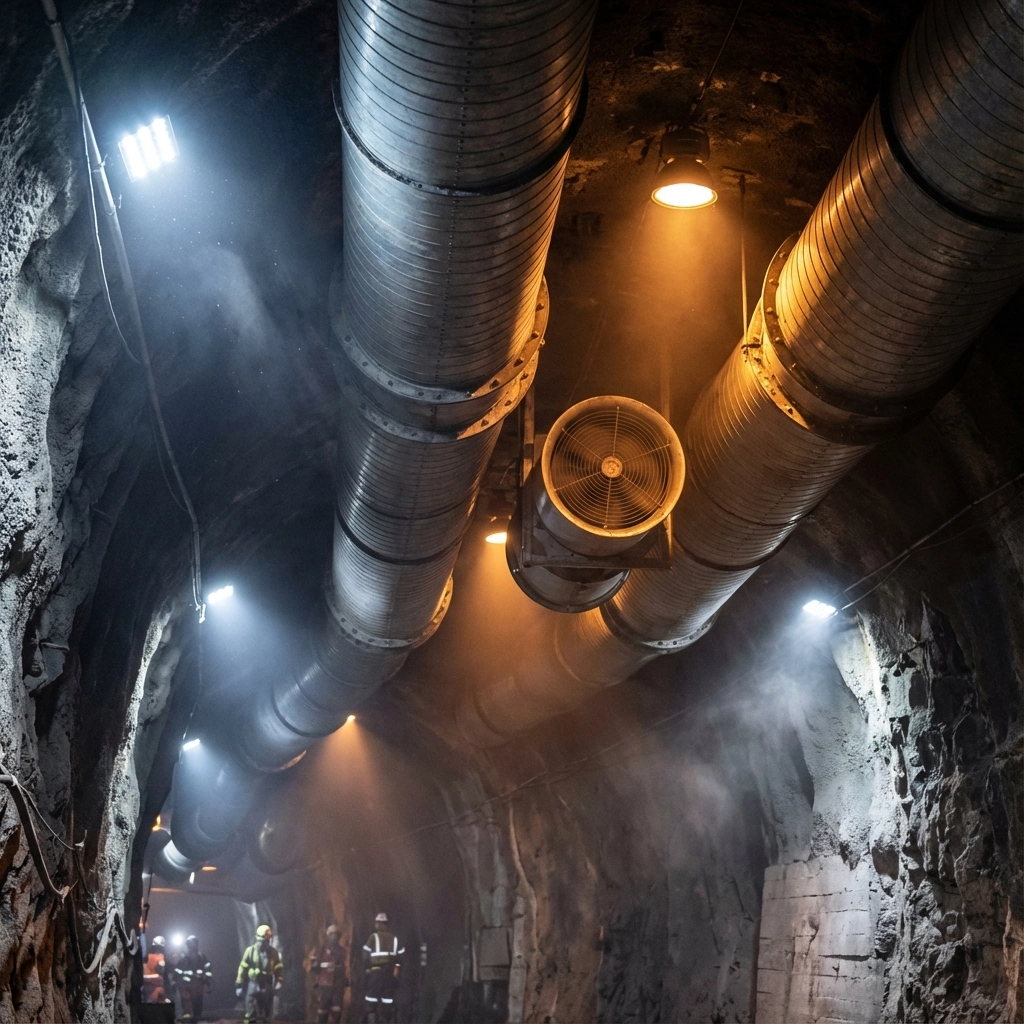
January 11, 2026 - Every time Hollywood decides to take audiences underground, you can bet your hard hat they’re going to screw up the ventilation. And look, I get it: showing proper air circulation systems doesn’t exactly make for edge-of-your-seat drama. But when you’re dealing with an industry where methane buildup kills people and inadequate airflow turns coal dust into a ticking bomb, getting the basics wrong isn’t just sloppy filmmaking. It’s dangerous misinformation. Take “The 33,” which technically covers a copper mine collapse in Chile, not coal, but the principles are the same. The movie shows dramatic scenes of trapped miners dealing with heat, dust, and dwindling air supplies. What it doesn’t show you is how a properly ventilated mine operates or why those safety systems failed in the first place. Instead, you get heroic shots of men gasping in dusty tunnels without any explanation of how ventilation shafts work or why secondary escape routes matter. Real coal mine ventilation isn’t some afterthought: it’s the entire foundation that keeps everyone alive. We’re talking about moving hundreds of thousands of cubic feet of fresh air per minute through tunnels that can stretch for miles underground. The intake air comes down dedicated shafts, travels through the working areas, picks up methane and coal dust, then gets sucked out through return airways. It’s a massive, precisely engineered system that requires constant monitoring and maintenance.
But Hollywood loves its dramatic mine collapses where everyone gets trapped in a single tunnel with a limited air supply, counting down the minutes until rescue. That’s not how modern coal mines work. Federal regulations require multiple escape routes, continuous air monitoring, and ventilation systems designed to handle equipment failures. When movies show miners trapped for days in dead air, they’re essentially depicting safety violations that would shut down any legitimate operation. The methane issue drives me crazy in these films. Coal seams naturally release methane gas, which is colorless, odorless, and explosive in concentrations between 5 and 15 percent. Real mines use ventilation to keep methane levels well below 1 percent, with automated systems that shut down equipment if concentrations rise. You never see this in movies because it’s not visually dramatic, but it’s literally the difference between life and death underground. “October Sky” gets points for focusing on a coal mining community, but the actual mine scenes are pretty generic. They show the darkness, the dust, the danger, but miss the sophisticated air circulation that makes modern mining possible. Same with “Coal Miner’s Daughter”: lots of atmospheric shots of grimy miners emerging from tunnels, but zero explanation of how thousands of tons of coal get extracted safely every day. The dust control situation in movies is particularly ridiculous. Real coal operations use water sprays, chemical dust suppressants, and continuous ventilation to keep airborne particles at safe levels. Coal dust isn’t just a nuisance: it causes black lung disease and can explode with devastating force. But movies love showing miners working in clouds of dust because it looks more dramatic and dangerous. In reality, that level of dust exposure would trigger immediate safety shutdowns.
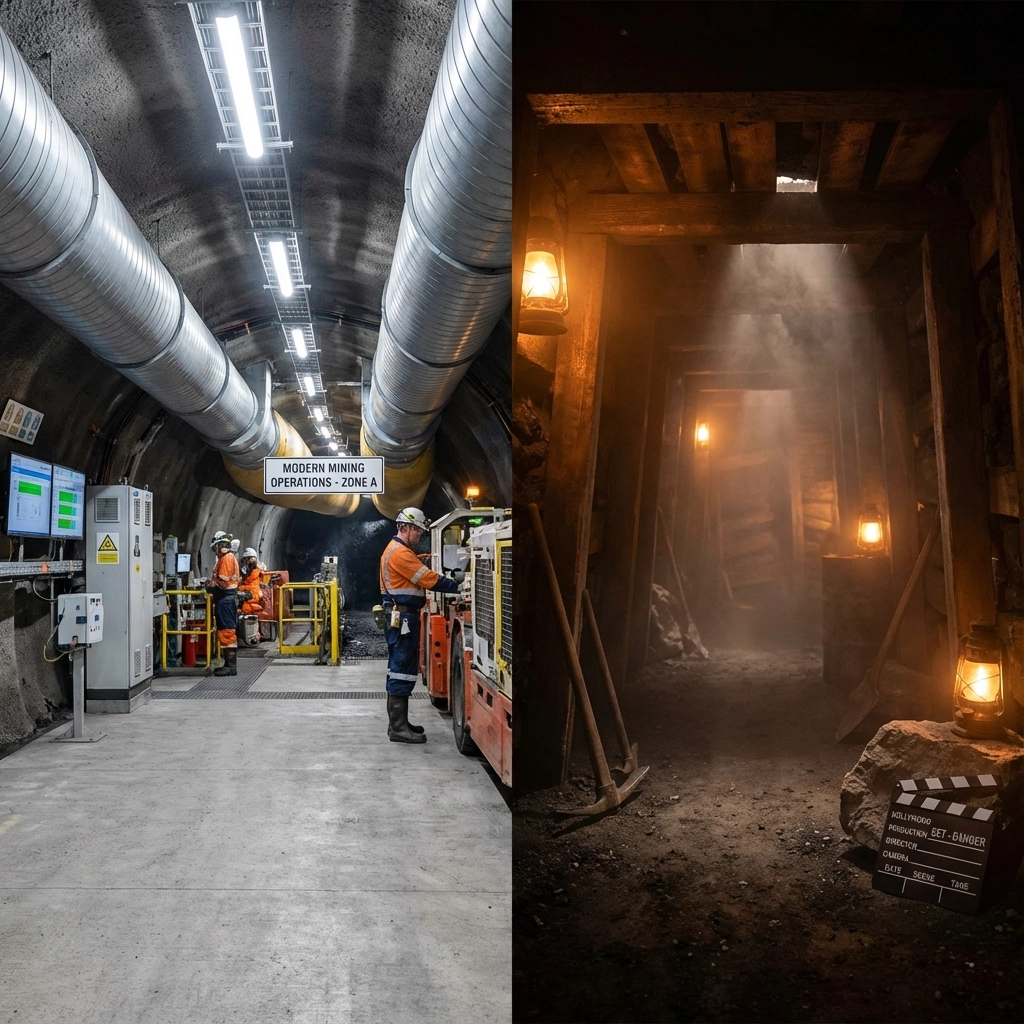
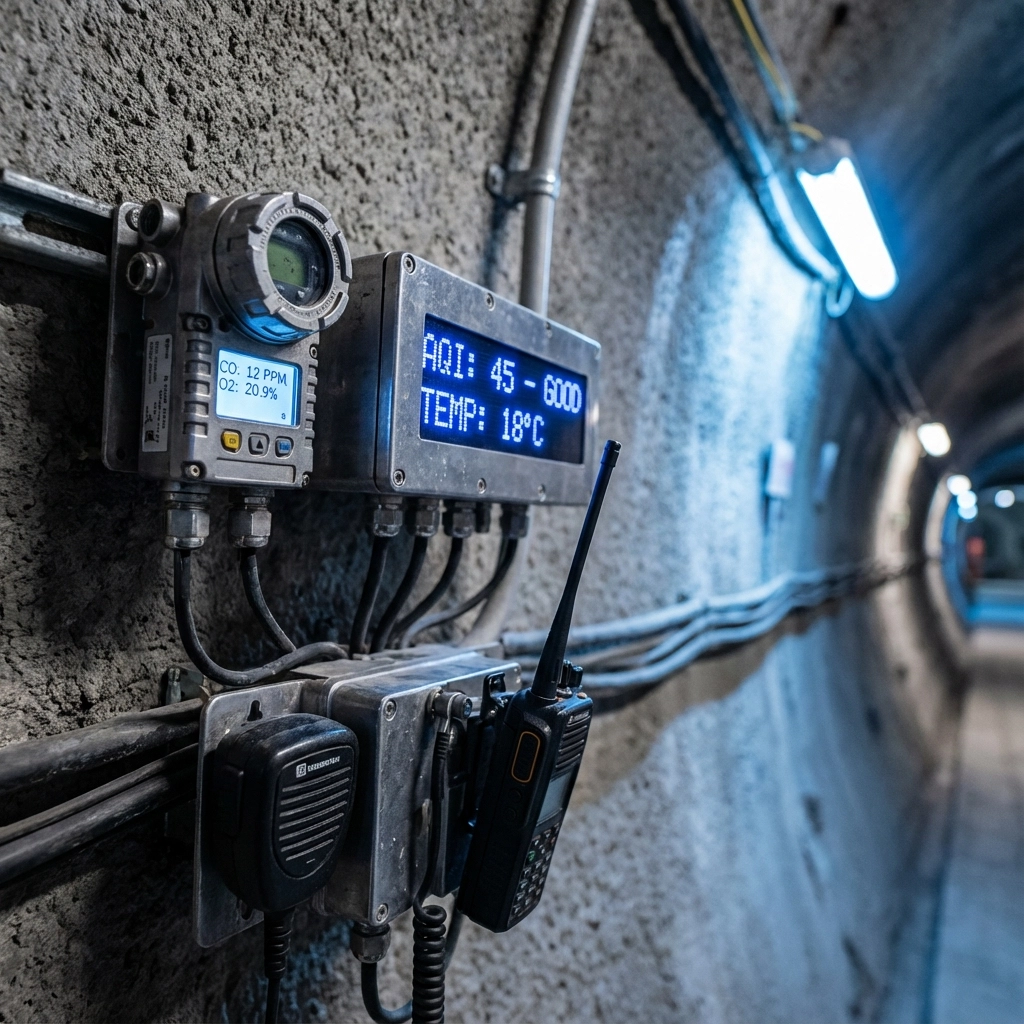
Then there’s the lighting issue. Hollywood mines are always dimly lit with flickering bulbs and shadows everywhere. Actual coal mines are required to maintain specific lighting standards measured in foot-candles. Workers need clear visibility for safety, and modern LED systems provide bright, consistent illumination throughout active areas. The dramatic shadowy tunnels you see in films would violate multiple MSHA regulations. Temperature control is another area where movies get it completely wrong. Deep underground coal mines maintain relatively stable temperatures year-round, usually in the 50s to 60s Fahrenheit, regardless of surface weather. The ventilation systems help manage this, along with air conditioning units in some operations. But films love showing miners sweating profusely in sweltering underground heat, which might happen in some specific geological conditions but isn’t the norm. The communication systems in movie mines are laughably outdated too. Real operations use sophisticated communication networks, gas monitoring systems, and tracking technology to know where every worker is at all times. When Hollywood shows miners isolated underground with no way to communicate with the surface, they’re depicting conditions that haven’t existed in properly regulated mines for decades. What really gets under my skin is how these inaccuracies perpetuate stereotypes about mining being inherently primitive and dangerous. Modern coal extraction uses advanced technology, rigorous safety protocols, and environmental controls that most people never see. When movies only show the dramatic disasters and ignore the engineering that prevents them, they’re missing the real story.
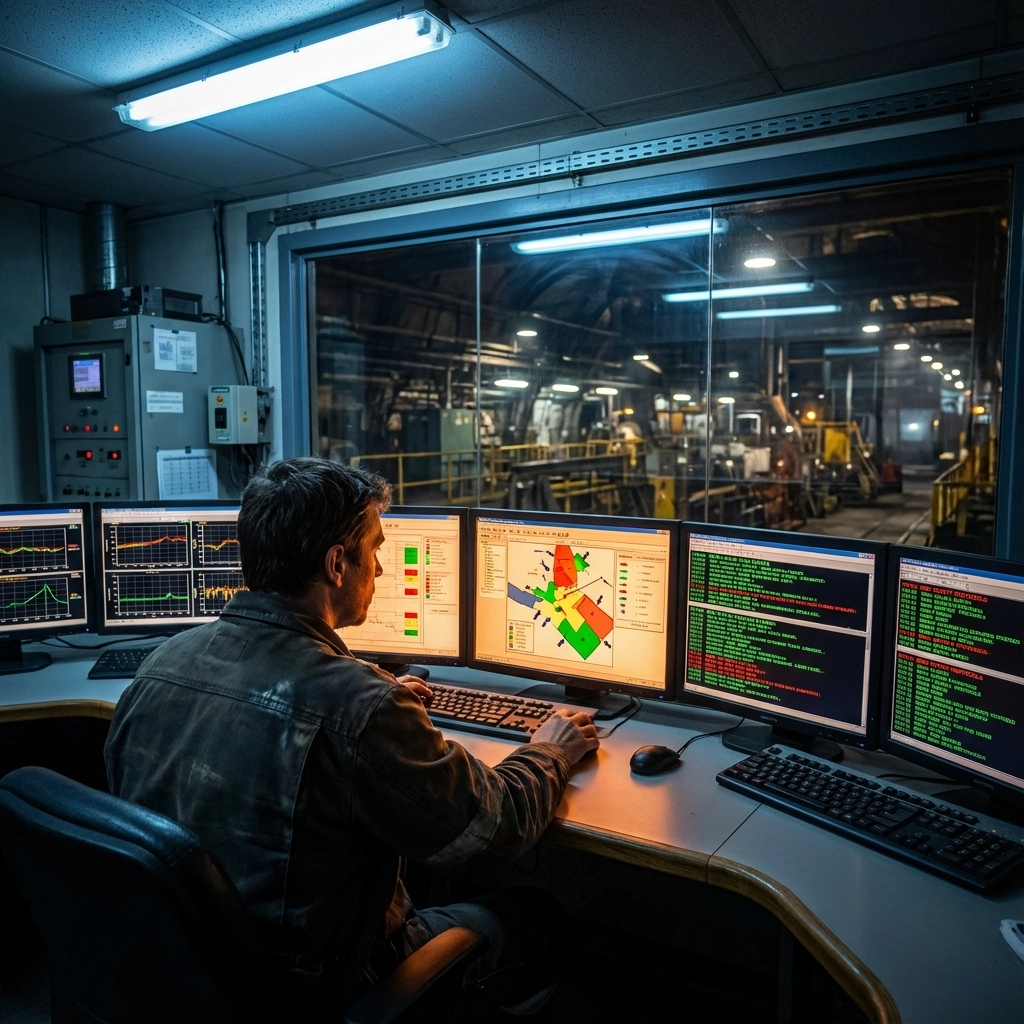
The economics matter here too. Proper ventilation systems represent massive capital investments: sometimes tens of millions of dollars for a large operation. Mining companies don’t spend that money out of the goodness of their hearts; they do it because regulations require it and because accidents shut down production. Movies that ignore this infrastructure are essentially pretending that business reality doesn’t exist. Emergency response protocols in films are particularly frustrating. Real mines have detailed evacuation procedures, self-rescue equipment for every worker, and emergency communication systems. When disasters do happen, the response involves coordinated efforts between mine rescue teams, federal inspectors, and specialized equipment operators. Hollywood prefers the lone hero narrative where someone makes a desperate individual rescue attempt. The environmental monitoring that happens in real mines is incredibly sophisticated. Sensors track air quality, gas concentrations, temperature, humidity, and airflow rates throughout the operation. This data gets transmitted to surface control rooms where operators can shut down sections remotely if conditions become dangerous. You never see this in movies because computer screens aren’t as visually interesting as dramatic tunnel collapse scenes. Worker training in actual coal mines involves extensive safety education, including ventilation basics, gas detection, and emergency procedures. New miners spend weeks in classroom and hands-on training before they’re allowed to work independently underground. Movies typically skip this entirely and show characters stumbling around in dangerous conditions without proper knowledge or equipment.
The maintenance aspect of mine ventilation never makes it into films either. Real operations have teams of specialists whose entire job is maintaining fans, clearing airways, inspecting seals, and ensuring proper airflow. It’s technical, unglamorous work that keeps everyone alive, but it doesn’t translate well to dramatic storytelling. Insurance and regulatory oversight play huge roles in mine ventilation that movies ignore completely. MSHA inspectors conduct regular safety audits, and insurance companies require specific safety standards. Operations that don’t maintain proper ventilation face massive financial penalties, criminal liability, and immediate shutdown orders. This regulatory framework shapes everything about how modern mines operate, but Hollywood treats it like it doesn’t exist. Look, I understand that accurate mine ventilation doesn’t make for compelling cinema. Properly functioning safety systems prevent disasters, which eliminates the dramatic tension that drives movie plots. But the persistent inaccuracies in coal mine movies do real harm by reinforcing outdated stereotypes and misconceptions about an industry that employs millions of people worldwide. The next time you watch a mining movie, pay attention to the ventilation details: or rather, the complete lack of them. Notice how the filmmakers focus on individual heroism instead of the engineering systems that actually keep people safe. And remember that real coal mines are sophisticated industrial operations, not the primitive death traps that Hollywood loves to portray. Mining movies could tell compelling stories about technological innovation, regulatory battles, and the complex economics of energy production. Instead, they stick to tired tropes about brave miners facing inevitable disasters in poorly ventilated holes in the ground. We deserve better storytelling, and miners deserve more accurate representation of their increasingly technical profession. |









|