








|
Signature Sponsor

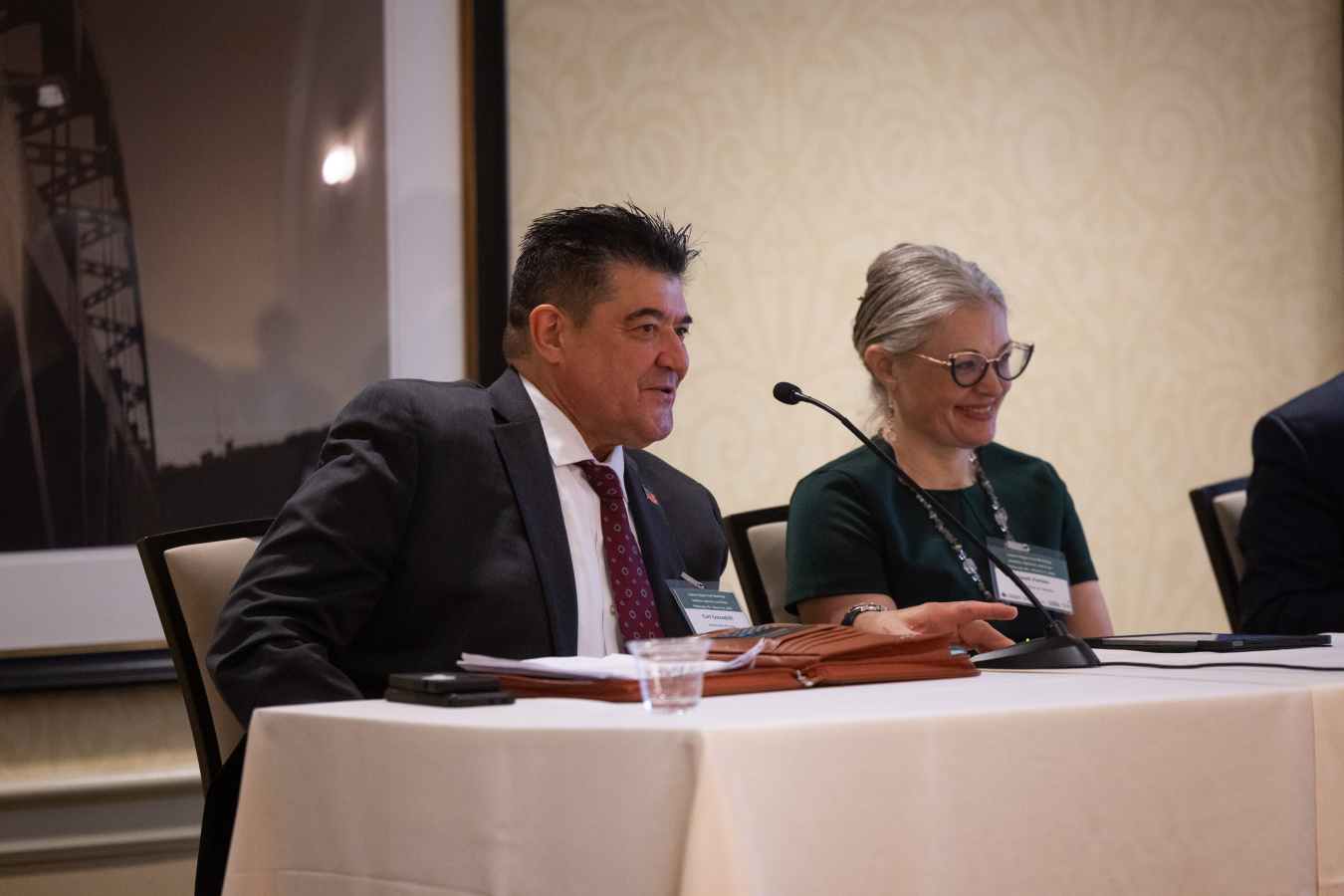
March 26, 2026 - The U.S. Department of Energy’s (DOE’s) Hydrocarbons and Geothermal Energy Office (HGEO) hosted a series of regional coal workshops across Arizona, Pennsylvania, Kentucky, and North Dakota. These workshops, designed to support the Trump Administration’s efforts to reinvigorate America’s beautiful clean coal industry provided a platform for stakeholders to share perspectives on opportunities, barriers, and potential solutions for increasing U.S. coal exports, extending the life of existing coal assets, and advancing next-generation technologies. Strengthening American Energy DominanceHGEO Principal Deputy Assistant Secretary Curt Coccodrilli and Director for the Office of Coal Sarah Forbes
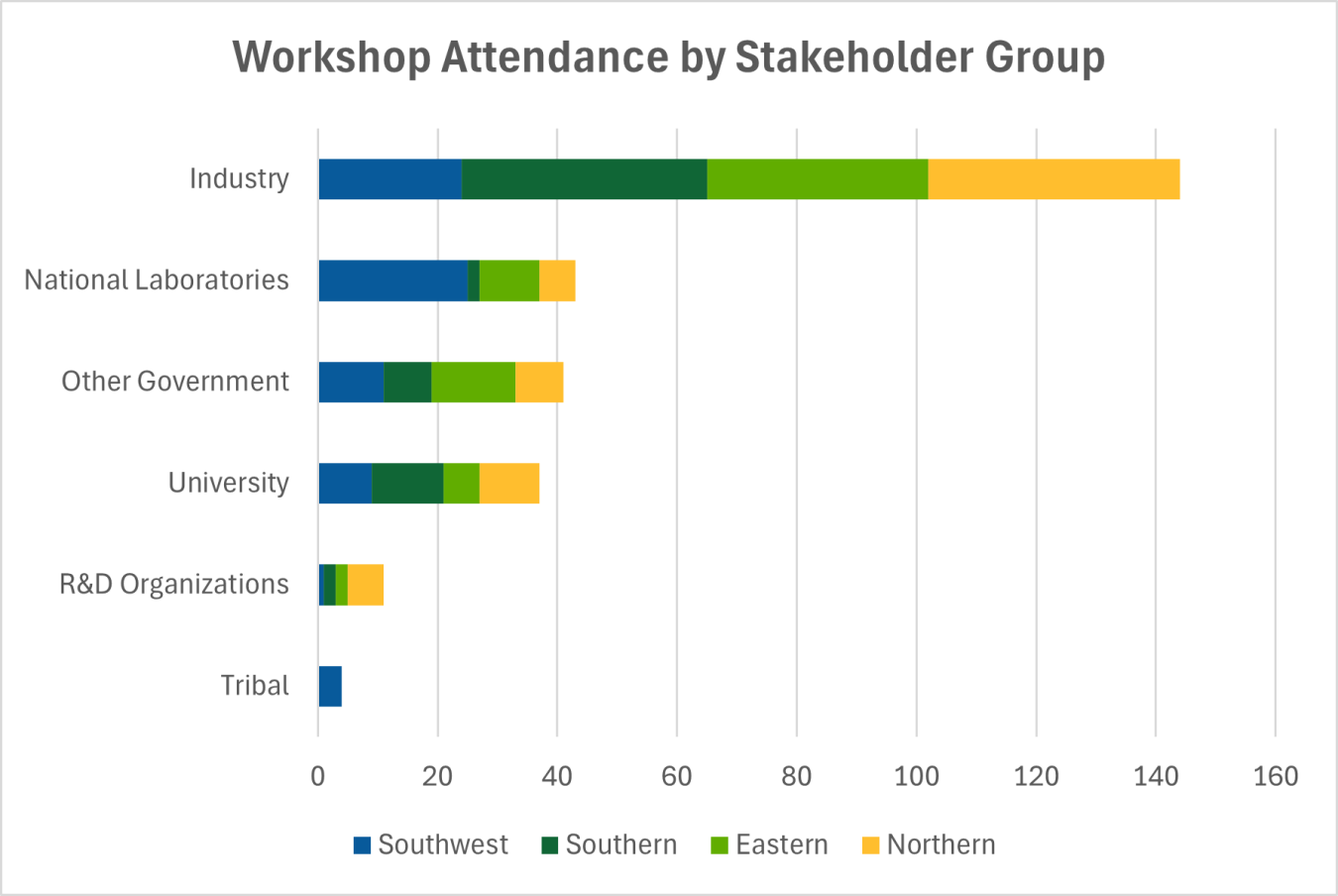
DOE leadership, including Curt Coccodrilli, Principal Deputy Assistant Secretary for HGEO; Jeffrey McClure, Senior Advisor in the Office of Energy Dominance Financing (EDF); and Angelos Kokkinos Acting Principal Deputy Director for the National Energy Technology Laboratory, emphasized the Trump Administration’s commitment to strengthening American energy dominance. “The war on coal is deemed over, and we’re getting American energy back on track,” explained Principal Deputy Assistant Secretary Coccodrilli. “Coal remains a strategic national asset, and we are on a mission to move as much American coal as miners can responsibly produce into domestic and global markets.” As part of this commitment, DOE is investing $175 million as part of a broader $525 million effort to modernize, retrofit, and extend the useful life of coal-fired power plants. By upgrading existing coal facilities, the Administration is strengthening the backbone of America’s power grid and helping provide communities with access to secure, reliable energy when they need it most. Beyond federal investment, maintaining coal’s strategic role in national and economic energy security requires direct input from the communities and industries that rely on it. “Unlocking the next generation of coal projects requires strong partnerships between government, industry, and capital markets,” said Senior Advisor McClure. “EDF’s role at DOE is to help align investment with projects that strengthen America’s energy security while supporting economic growth in coal-producing regions.” Diving Deeper into the Regional Coal WorkshopsAcross the four workshops, approximately 325 participants attended, with over 40% from industry—including businesses, electricity producers, financers, and other commercial organizations—underscoring strong alignment between DOE and the private sector. Participation also included representatives from universities, National Laboratories, research and development organizations, and other government agencies, reflecting a broad, cross-sector approach to advancing energy priorities. HGEO hosted a range of panels and roundtable discussions during the workshops, providing stakeholders with a platform to share their experiences and insights. Some key questions included:
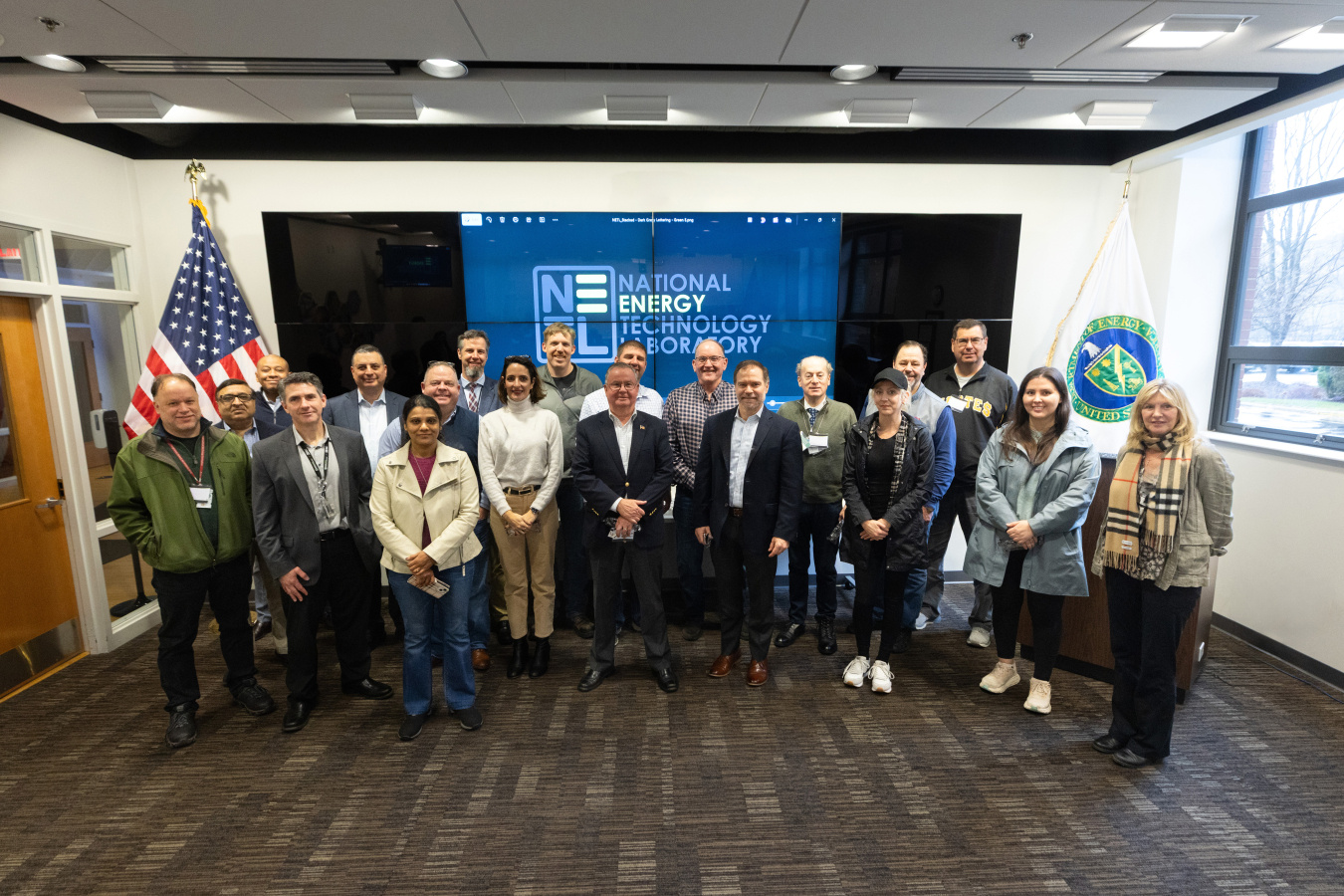
Throughout the discussions, stakeholders stressed the continued importance of coal to regional economies, grid reliability, and domestic manufacturing supply chains, while also recognizing challenges such as regulatory uncertainty and aging infrastructure. Stakeholders emphasized that, alongside policy changes, infrastructure investments and stronger public–private collaboration could help unlock new opportunities for coal utilization and export markets. Participants also underscored that a clear and stable U.S. coal policy is critical to the industry’s long-term success, pointing to the Trump Administration as an example of this consistent approach. Eastern Coal Workshop participants at the National Energy Technology Laboratory (NETL) site tour in Pittsburgh, PA
Eastern Coal Workshop participants at the NETL site tour in Pittsburgh, PA
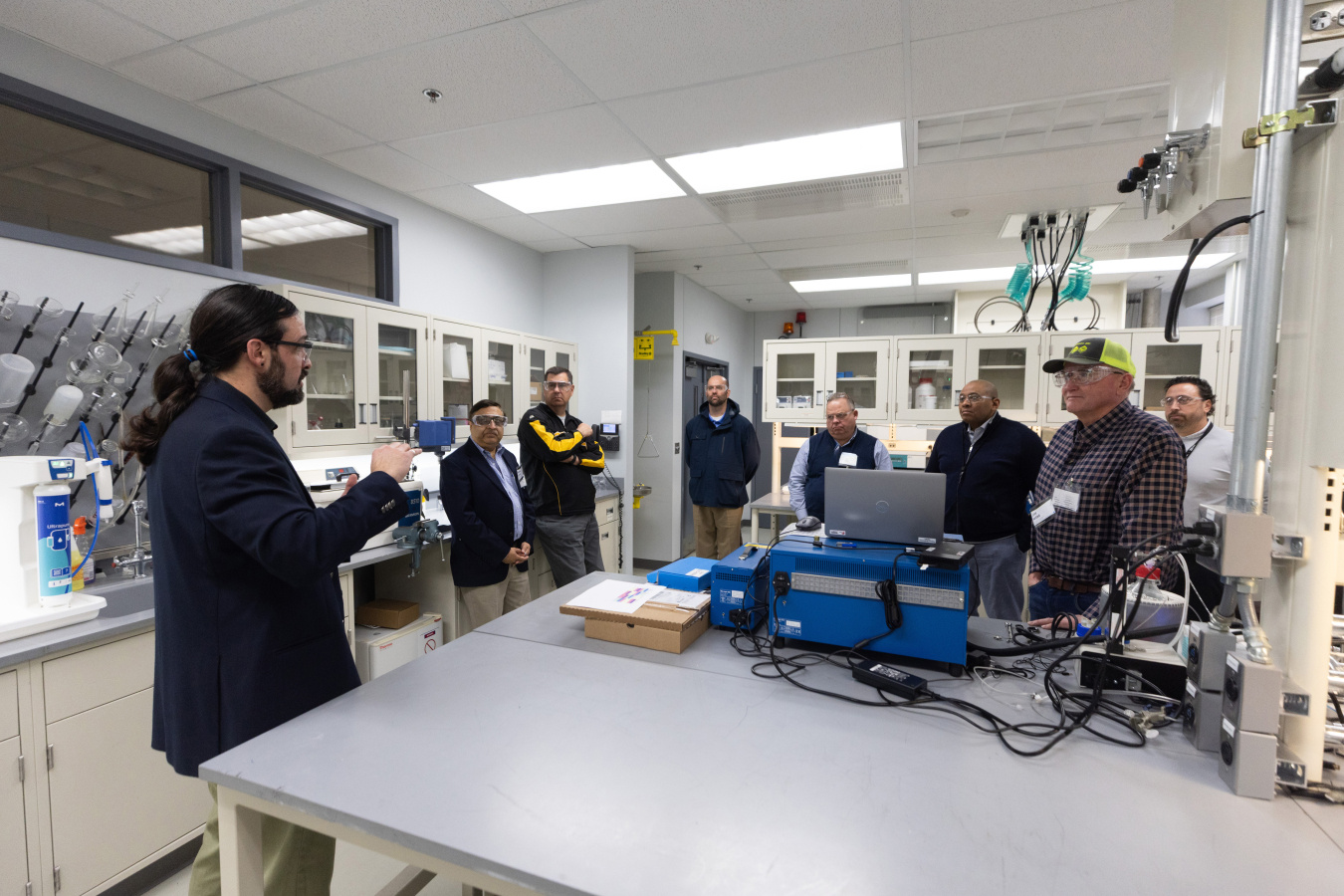
Additionally, a key component of the workshops was on-site visits to the National Energy Technology Laboratory (NETL) in Pittsburgh, PA, as well as tours of coal facilities, including the Great Plains Synfuels Plant and Coal Creek Station in North Dakota. Through these visits, participants gained firsthand insights into operational challenges, advanced coal technologies, and opportunities for enhancing reliability, efficiency, and export potential, while also seeing the workforce and regional economic impacts up close. Informing Future ActionThe latest data from the U.S. Energy Information Administration reinforces why reinvigorating America’s coal industry remains a national priority. In January 2026, U.S. power plants consumed 43 million short tons of coal—approximately 10 percent more than earlier projections—as coal-fired generation increased to meet peak electricity demand during recent cold weather events. Higher projected natural gas prices are expected to support elevated coal use through the first half of 2026. These trends highlight an important reality: coal remains a critical, dispatchable domestic resource during periods of system stress, providing reliability when other fuels face price volatility or supply constraints. Insights gathered during the regional coal workshops, along with input from the National Coal Council, will help inform DOE’s strategy for supporting American energy production and expanding U.S. coal exports. |











|