









|
Signature Sponsor


April 9, 2026 - The West Virginia Mine Wars Museum has opened a new exhibit tracing a century-old industrial medical disaster that continues to impact coalfield communities today.
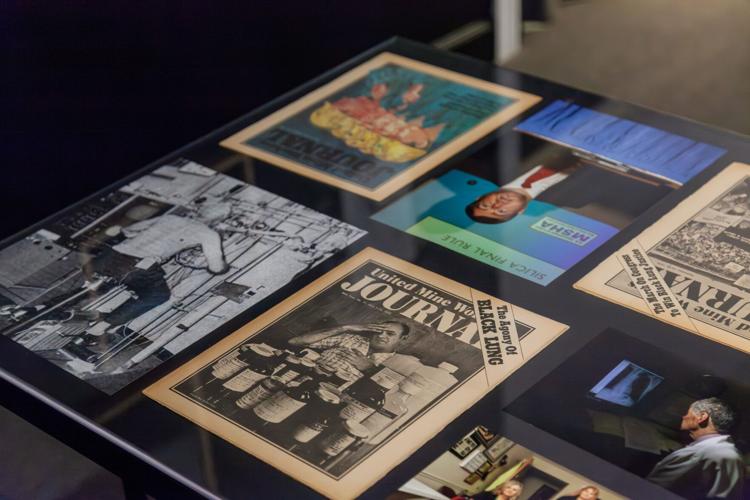
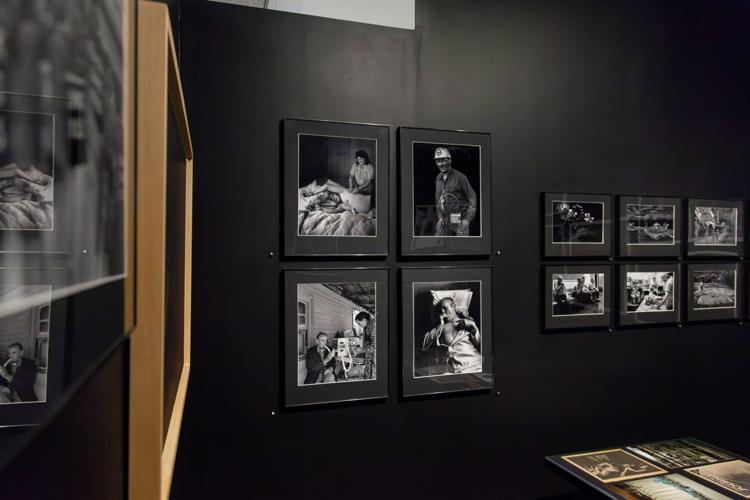
The exhibit, titled Entirely Preventable: The Toxic Legacy of Silica Dust from Hawks Nest to Black Lung, uses the work of three photographers to examine the history of silica-related diseases. Curated by Pulitzer Prize-winning photographer Stacy Kranitz, the display chronicles the trajectory of respiratory illness from the 1930s Hawks Nest Tunnel disaster to the modern resurgence of black lung disease.
“This exhibition serves as a visual record of what has been described as one of the worst industrial medical disasters in American history,” Kranitz said.
The narrative begins with Raymond Thompson Jr.’s reimagining of the Hawks Nest tragedy, focusing on the stories of Black laborers. It continues with Earl Dotter’s photography of the 1970s black lung movement and concludes with Kranitz’s modern documentation of the fight for the 2024 Silica Rule.
Museum Executive Director Mackenzie New Walker noted that the disease is increasingly affecting younger miners, challenging the perception that black lung only affects older generations.
"We hope this exhibit sparks conversation and serves as a call to action for the friends, families, and communities who are fighting to breathe," Walker said.
Located at 112 Mate Street in Matewan, the exhibit is open to the public Tuesday through Saturday, from 10 a.m. to 5 p.m.
|










|