Governors' Energy Priorities in 2026
May 1, 2026 - State of the state addresses are important annual traditions for many governors, providing an opportunity for governors to communicate directly with their constituents and set the tone for the year’s legislative session. Of note in 2026, energy was among the most frequently discussed topics, with 34 of the 42 state of the states that have taken place this year expressly mentioning energy. As energy demand and prices continue to rise across the country, governors are at the forefront of addressing these challenges.
Energy affordability emerged as one of the most prominent themes detailed in this year’s state of the state addresses, with Governors consistently underscoring the importance of lowering household energy costs.
- “Today, we are on the cusp of realizing a decades-old dream of delivering abundant, affordable energy that will benefit every Alaskan.” -Alaska Governor Mike Dunleavy
- “The number one driver of increased energy bills over the last decade has been the cost of hardening our infrastructure and other related wildfire costs, significantly driven by climate change.” -California Governor Gavin Newsom
- “AI is going to be key to the jobs of the future, but data centers can’t stick Hoosiers with the power bill. Companies that want big power in Indiana should pay their own way.” -Indiana Governor Mike Braun
- “The underlying cost of energy is increasing. Pushed higher and higher by rapidly growing demand.” -Delaware Governor Matt Meyer
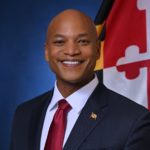
“This year, let’s work together to build a thriving energy market that gets more energy to the grid, adds more jobs to the economy, and puts more money in the pockets of working families.”
Governor Wes Moore
Maryland
Governors are bringing clean and reliable energy online.
- “During my time as Governor, the share of energy Colorado gets from low-cost clean sources has grown by nearly 75%, enough power nearly 3 million homes for a year.” -Colorado Governor Jared Polis
- “We delivered large-scale solar and battery projects that are finally changing how our grid works. Two new utility-scale solar farms at Estates Petronella and Hogensborg, paired with battery storage, now deliver more than 30 megawatts, about two-thirds of our daytime capacity, plus 30 megawatts of storage. That is cleaner and steadier power, and power that reduces fuel costs, so ratepayers are not held hostage by oil prices.” -U.S. Virgin Islands Governor Albert Bryan, Jr.
- “We’re producing more clean, reliable energy from wind, solar, nuclear, and hydrogen, to protect our planet and power everyone’s homes.” -Michigan Governor Gretchen Whitmer
- “Here’s the thing about building a clean energy future: we must make sure New Mexicans can afford it. We’ve seen what’s happened in other states — utility rates skyrocketing while families struggle to keep up. That’s why I’m calling for a blue-ribbon commission to develop a strategy to leverage and utilize private and public investments, grow our economy and protect consumers and businesses, while meeting exploding energy demands with more clean power.” -New Mexico Governor Michelle Lujan Grisham
Many governors are exploring nuclear power to increase generation within their state.
- “With over half of our state’s electricity safely generated by nuclear energy and with seven operating reactors, South Carolina has both the experience and the infrastructure needed to lead this nuclear renaissance to provide ample, clean, resilient energy for the future.” -South Carolina Governor Henry McMaster
- “We know nuclear is a safe, reliable, and clean energy source that can and will power Missouri’s economic future for generations to come.” -Missouri Governor Mike Kehoe
- “General Matter announced a $1.5 billion investment in Paducah. This company will change our nation’s energy economy in profound ways and bring modern nuclear power to our state.” -Kentucky Governor Andy Beshear
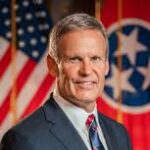
“Tennessee was just named the number one state for nuclear energy development, and it’s clear why. Tennessee’s Nuclear Fund that you helped create has already recruited $8 billion in investment from leading nuclear companies around the world, creating thousands of new jobs, and more are on the way. That’s why we’re proposing an additional $25 million to the Nuclear Fund this year.”
Governor Bill Lee
Tennessee
Governors emphasized the need for permitting reform to expedite the buildout of energy projects.
- “For too long, we’ve run up against roadblocks – from outdated laws to piles of paperwork – that slow or stop new housing, new transit, and new clean energy from even being built.” -Colorado Governor Jared Polis
- ”I’ve put forward my Lightning Plan – a comprehensive plan to build more energy generation here in the Commonwealth, reform our permitting and siting laws, and diversify our energy sector to generate more renewables.” -Pennsylvania Governor Josh Shapiro
- “During this legislative session, I’ve identified several areas in need of immediate reform. First, we must increase efficiency in the permitting processes, so that our transportation, manufacturing, and energy construction projects are not bogged down in a sea of red tape.” -West Virginia Governor Patrick Morrisey
“Critical infrastructure can spend years trapped in red tape pushing up costs and pushing opportunity further out of reach. So this year, I’m proposing a simple, common-sense update: When communities say yes to housing, infrastructure, or clean energy, we’re going to LET THEM BUILD!”
Governor Kathy Hochul
New York
Americans are increasingly aware of the impact energy policy has on their daily lives and budgets, and they are increasingly looking to their elected leaders to acknowledge this and set the tone of the future of energy policy. As budget architects, policy drivers and influential leaders, governors play a key role in shaping the future of energy policy in their states and territories. From challenges such as affordability and load growth to opportunities such as new nuclear energy, renewables, and permitting reform, Governors are deeply engaged in energy issues. This year’s state of the state addresses offer insight into the policies we can expect to drive change over the coming months and years as well as unique state approaches to national challenges.