







|
Signature Sponsor


May 14, 2026 - What if the place that once powered steamships and warmed kitchens with coal could now help cut a winter heating bill with the water sitting underground? In the Village of Cumberland on Vancouver Island, researchers and local leaders are testing whether abandoned, flooded coal mines can become a town-scale geothermal source for heating and cooling. The bet is simple and, if it works, it is the kind of infrastructure change people notice without thinking about it. Heat pumps can pull usable heat from steady underground temperatures and move it where buildings need it, with far less energy than making heat from scratch.
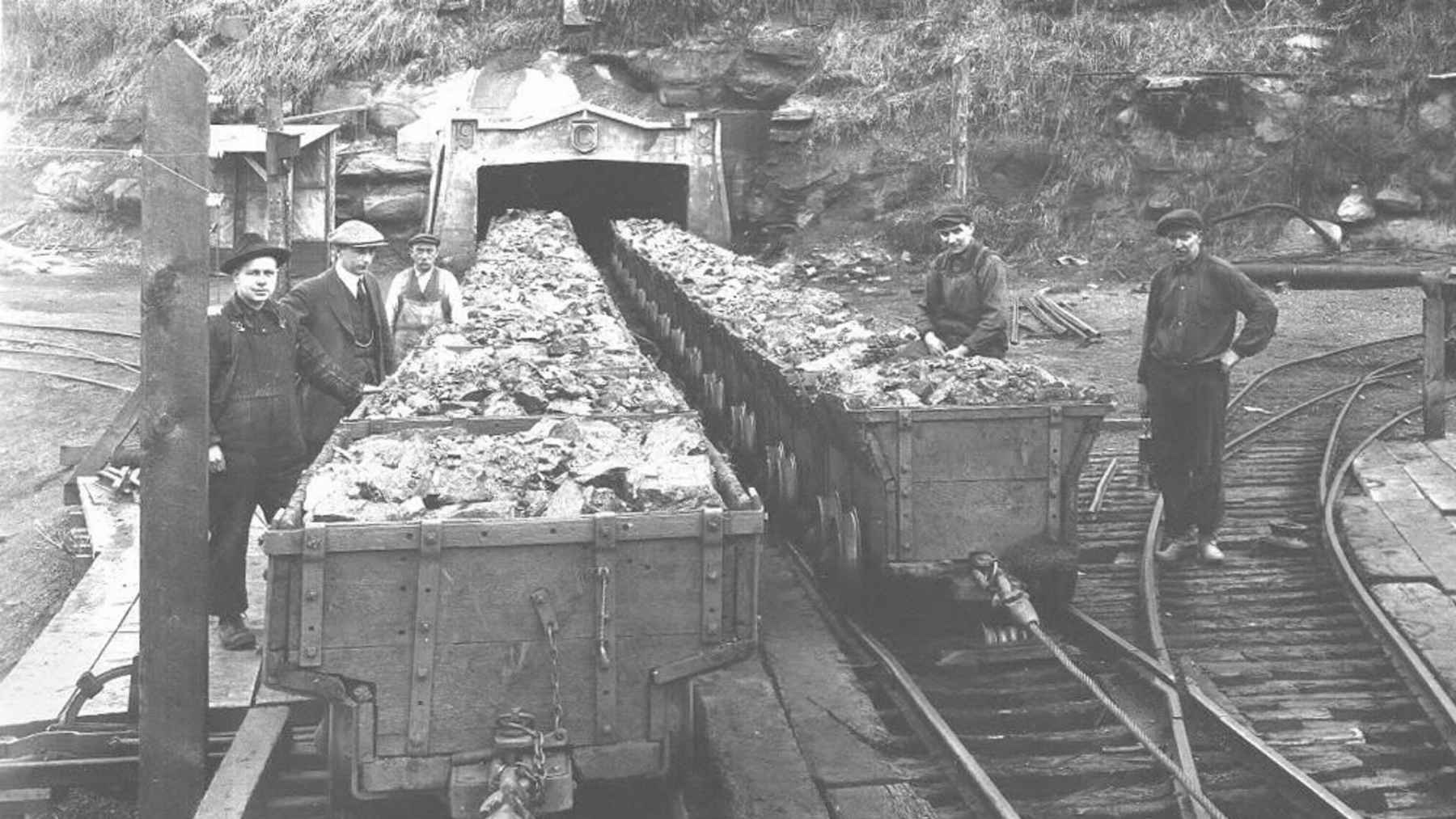
That matters in British Columbia, where more than half of residents still heat with natural gas and buildings and homes account for about 11% of the province’s greenhouse gas emissions, by BC Hydro’s estimates. A coal legacy that left an unexpected energy asset Cumberland’s mines shaped the town for generations, and not in a romantic way. A University of Victoria report cites local historian Dawn Copeman saying roughly 16 million metric tonnes of bituminous coal were excavated and shipped from the Comox Valley from 1888 through the late 1960s. That is about 17.6 million U.S. short tons. When the mines closed, the tunnels and shafts did not vanish. They filled with water, creating a hidden reservoir under a community of about 4,800 people, and a constant reminder of a tough industrial past. That is why this project hits a nerve. It does not rewrite the history of dangerous work or the climate impact of burning coal, but it tries to turn the physical leftovers into something useful for daily life. Mayor Vickey Brown calls it “a way to highlight the history of Cumberland and bring it into a sustainable-future, clean-energy ethos.” How mine water geothermal works in plain language The core idea is a steady underground temperature. Water trapped in abandoned mines tends to be cooler than surface air in summer and warmer than surface air in winter, which makes it a dependable heat source and heat sink for a closed-loop system. Heat pumps do the heavy lifting, moving heat rather than generating it. The International Energy Agency says heat pumps on the market today are typically three to five times more energy efficient than natural gas boilers, and the U.S. Department of Energy notes heat pumps can cut electricity use for heating by about 50% compared with electric resistance heating. The attraction in Cumberland is that the mine network already exists under the streets. Emily Smejkal, a geothermal specialist with the Cascade Institute, calls the concept “technically a very large ground-source heat exchanger.” That could let the town reuse what is already underground instead of drilling an entirely new field from scratch. What Cumberland is actually building toward The work is being led through the University of Victoria’s Accelerating Community Energy Transformation initiative, often shortened to ACET, in partnership with the Village of Cumberland.In stakeholder conversations documented by the project team, affordability shows up as a repeated concern, which helps explain why the early focus is on critical public buildings first. Early modeling is focused on a civic redevelopment area that could include a community center, municipal offices, and affordable housing, plus a larger industrial zone closer to Comox Lake. The Village also says initial exploration in 2024 looked at the heat capacity of the historic No. 6 mine, with a scoping study proposed as the next step. The same low-carbon heat could also support businesses that need steady thermal energy, including greenhouses and food processing. ACET’s project page puts a number on the potential climate payoff from a modest first connection. It says linking current municipal buildings to this kind of system could cut their heating emissions by 90%, which it equates to keeping about 30,000 pounds of coal from being burned each year.
The money questions and the real-world hurdles For local governments, the hardest part of clean heat is often not the physics – it is the financing. Cumberland’s project page references a staff report proposing 10,000 Canadian dollars for a scoping study, which is about 7,300 U.S. dollars using recent mid-market exchange rates. Then there is the underground unknown. The University of Victoria notes local geologists first talked about the former mines because methane can be an issue, and old tunnels can be complex to map and manage safely. The Village describes the work as phased, starting with initial viability and mine mapping and moving toward engineering feasibility studies and a detailed business case. And “near-zero carbon” depends on what powers the heat pumps. British Columbia is in a strong position because BC Hydro says over 98% of the electricity it generates is from clean or renewable sources, mainly hydro, which makes electrified heating far cleaner than in grids dominated by coal or gas. Why this could turn into a repeatable playbook Cumberland is not starting from scratch, and that may be the most important detail for other towns watching. A similar geo-exchange system already operates at Vancouver Island University in Nanaimo, and a 2025 provincial news release says the campus circulates water from the flooded, abandoned Wakesiah coal mine under the university to cut heating and cooling emissions for several buildings to near zero. Canada also has a longer-running proof point in Springhill, Nova Scotia. The provincial government says Springhill was an early leader in abandoned-mine geothermal heating and cooling, with research and pilot projects dating back to the mid-1980s, and that the resource is still in use today. Could this be a model for other coal towns trying to decarbonize buildings without betting on a single fuel price? Watch for the unglamorous milestones, like engineering studies, test wells or loop designs, and a clear operating model that spreads costs fairly between public buildings and private customers. The official statement was published on the University of Victoria. |











|