
 






|
Signature Sponsor

May 18, 2026 - Last year, we celebrated 200 years of the Stockton & Darlington Railway (S&DR). Just up the road, in Springwell on the edge of Gateshead, a lesser known railway has now reached that milestone. 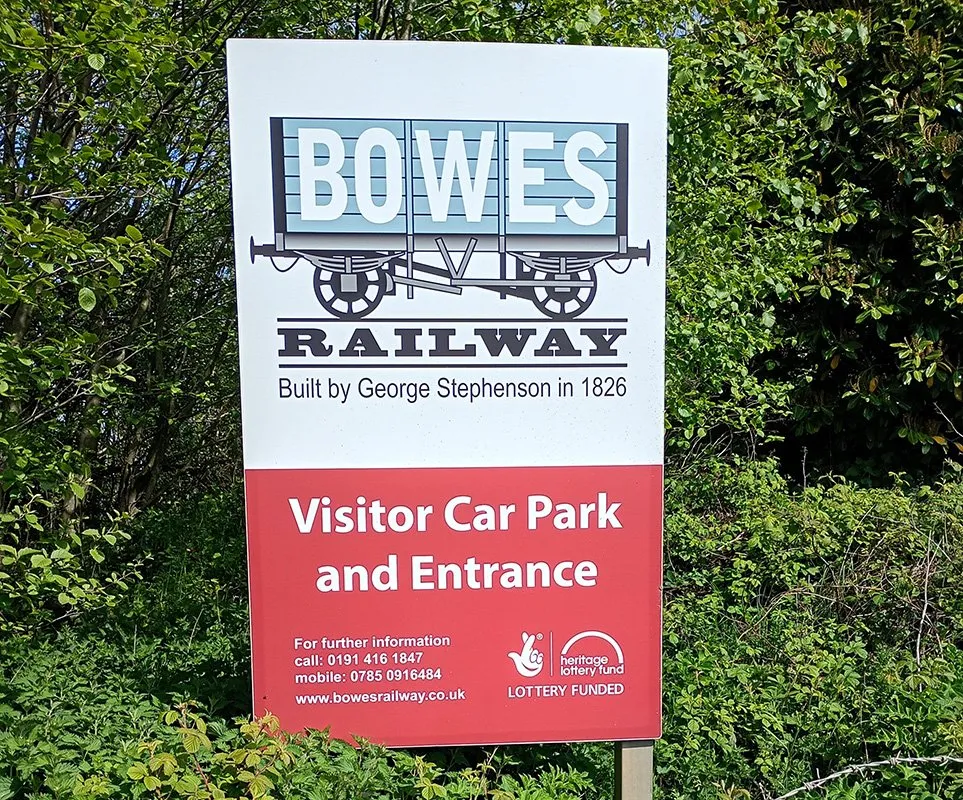 Friends of the Stockton & Darlington RailwayMyself and a group of Friends of the S&DR met up at the Bowes Railway on 7 May for a tour of the railway. The Bowes Railway closed as a commercial operation in 1974, but it reopened two years later as a preserved railway. Paul, one of the volunteers at the railway, took charge of the tour: 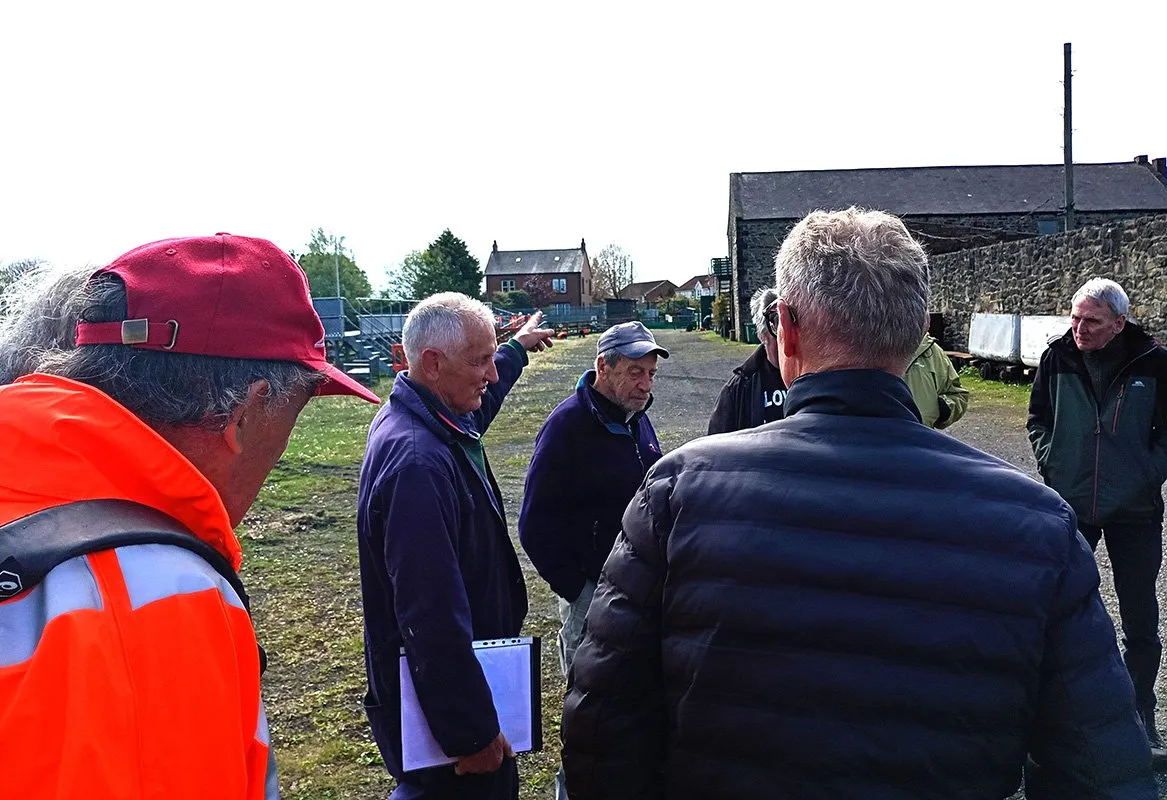 What is the Bowes Railway?The railway opened as the Springwell Colliery Railway in January 1826, only four months after the S&DR. The S&DR received plaudits from around the world. The more workaday Springwell Colliery Railway, as the name suggested, was built to haul coal, not passengers. It didn’t find worldwide fame, but it developed into a logistics hub for numerous collieries in North Durham. It would receive coal from them, feeding it down to the staithes on the River Tyne. But it also became a key engineering centre, repairing mining machinery, coal tubs and chaldrons for a dozen pits in the locality. The origins of the railwayThe map below shows the extent of collieries, waggonways and coal staithes in South Tyneside. Many wooden horse-drawn waggonways, shown in orange on the map below, existed before the industrial revolution. Parts of the Team Colliery Waggonway and the Felling Waggonway can be traced back to the 1670s. Springwell Colliery is now the site of the Bowes Railway visitor centre.  Mount Moor collieryA colliery had existed at Mount Moor since the start of the 18th Century. For 100 years, coal was transported from the colliery to the River Wear via the Washington Waggonway. At the river, the coal was transferred into small shallow draft boats, then taken down to Sunderland. This was an inefficient and costly arrangement. The Grand AlliesA group of four powerful and wealthy landowners, known as the Grand Allies, began sinking Springwell Colliery on 8 May 1821. They decided that it would be much more efficient to link Mount Moor colliery with Springwell, then run a railway straight down to the River Tyne at Jarrow staithes. The Allies had seen the work that George Stephenson had been doing with iron railroads at the S&DR. It helped that Lord Ravensworth, one of the Grand Allies, had kept Stephenson on the payroll since he was engine-wright at Killingworth Colliery. Stephenson was given the Springwell job. Multi-taskingGeorge Stephenson was a busy man. At the time that he was hired at Springwell, he was still building the S&DR, Then, while holding down these two jobs, he regularly had to venture down to Lancashire to supervise construction of the world’s first inter-city line, the Liverpool & Manchester Railway (L&MR). Stephenson was also working on Rocket, the famous locomotive that went on to win the Rainhill Trials, and then haul the L&MR’s first train in 1830. Like father, like sonIt wasn’t possible for George Stephenson to do all of this himself. In fact, much of the design work on Rocket was undertaken by his son, Robert. Stephenson junior also oversaw work on the unique, rope-worked incline system of the Springwell Railway. The line opened on 17 January 1826. The section from the foot of the Springwell Incline to Jarrow was worked by locomotives. But these weren’t quite ready in January, so this section was horse-drawn until April. Nevertheless, the Springwell Colliery Railway was a technological leap compared to the waggonways. ExtensionsThe railway was an immediate success. It was extended west to Kibblesworth in 1842, Marley Hill in 1853, then Dipton in 1855, increasing the length of the line to 15 miles. The line was renamed the Pontop & Jarrow Railway (P&JR) in 1860, to better reflect the area it served. A P&JR waggon can be found in the yard. The black metal plates on the side of the waggon are ‘batter plates’. When coal was stored in the waggons overnight during winter, it would often freeze into place. Workers would have to ‘batter’ these plates with sledgehammers to work the coal loose. Well, it’s a living. 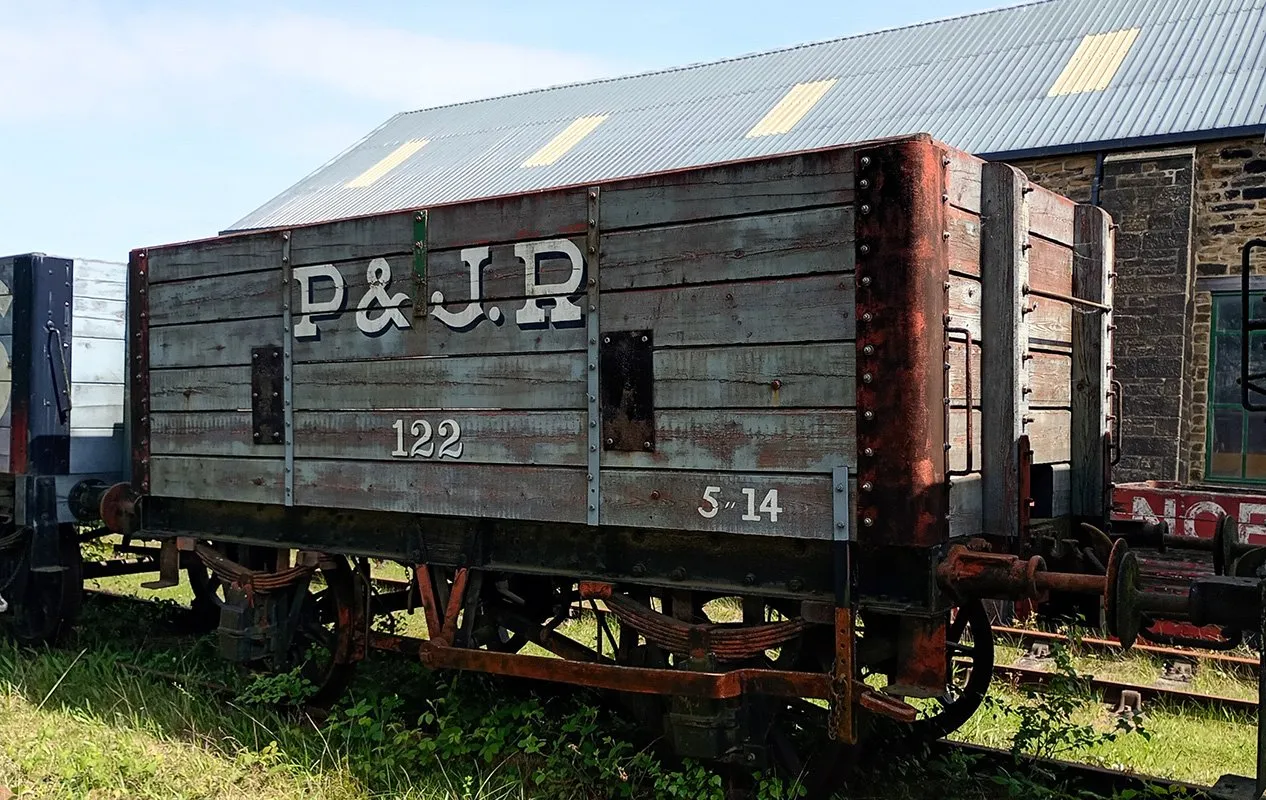 What’s in a name?Springwell Colliery closed in 1932. The line was renamed for a second time, and became The Bowes Railway. But the Springwell site retained its purposes as a focus for coal transport, and for engineering repairs. The colliery buildings were converted into railway workshops. Paul took us through the workshops. First of all, the carpentry shop. The railway has 12 volunteers, some of whom make and sell hand-crafted furniture to help fund the running of the museum.  WorkshopsThe workshops have been in continuous use for 200 years, apart from a 2-year hiatus after the National Coal Board (NCB) closed the Springwell site in 1974. The machinery was band-driven by stationary steam engines adjacent to the shop. This remained the case until the creation of the NCB in 1947, after which the kit was electrified. Some of the machinery dates back to the end of the 19th Century.  Want to see an outsize pair of bellows? You’ve come to the right place, the blacksmith’s shop. 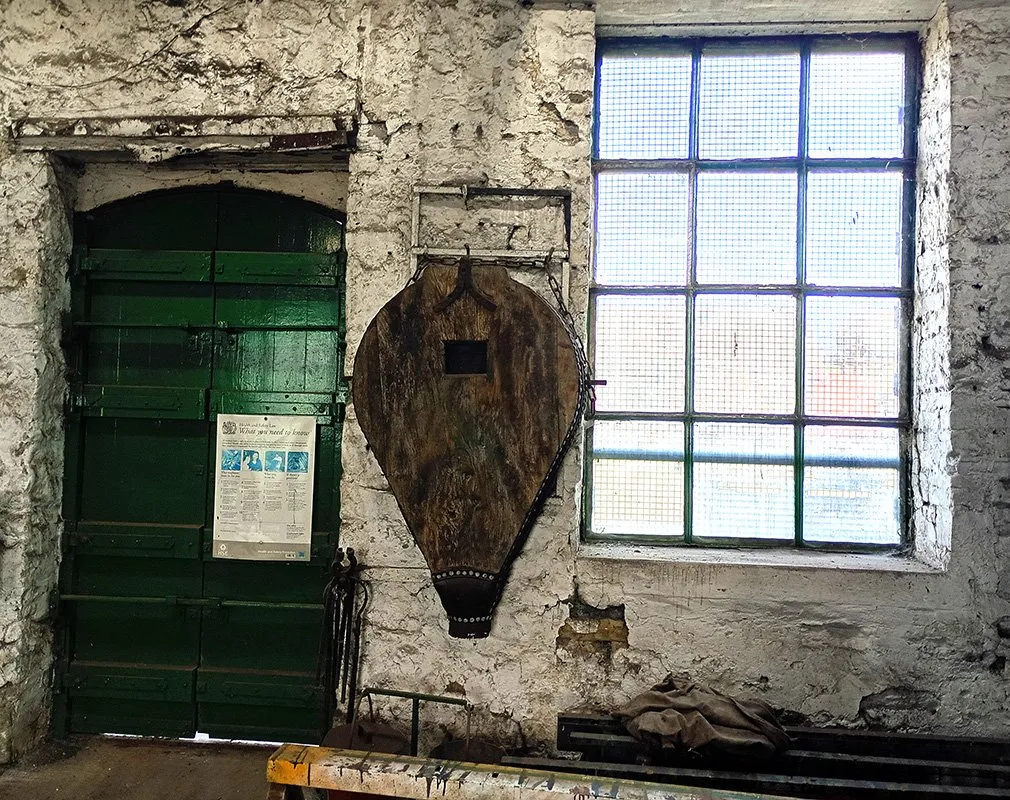 There’s also a pick’n’mix nut selection. 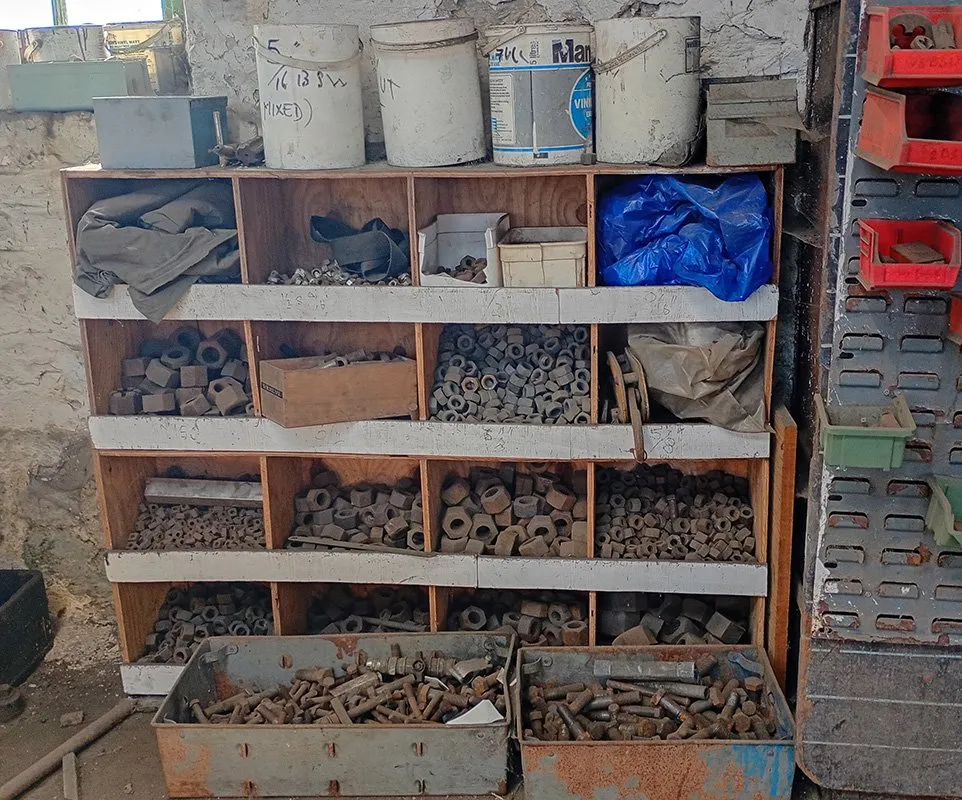 Metal bashingNext, a lathe demonstration. Worn waggon and locomotive wheels are re-profiled by skimming off a thin layer of steel. This is essential work, to prevent derailments. In the background, a huge flywheel steadies the momentum of the lathe, smoke drifts from the metal on metal interface, and swarf spirals to the floor. There’s nothing quite like it.  Treasure troveAs numerous Northumberland and Durham collieries closed down in the decade after the 1984/85 miner’s strike, some of the equipment was hastily removed before the pits were capped forever. Fortunately, some of this found its way to the Bowes Railway. Three rescued coal tubs can be found outside the blacksmith’s shop.  The modern blacksmiths have made a replica of one of these coal tubs as part of the bicentenary celebrations: 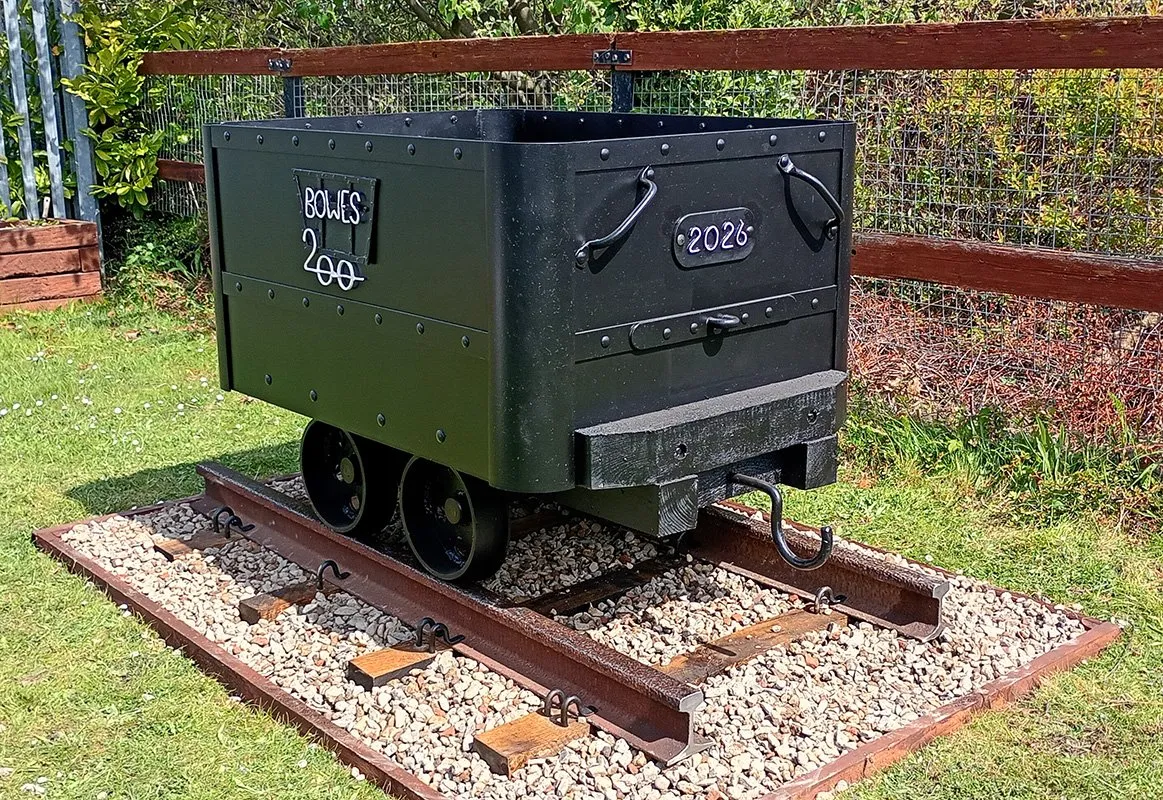  Bylines Network Gazette is out!The latest Bylines Network Gazette is out now. Become a Friend of Bylines Network or upgrade to a paid Substack subscription, and you will get access to a vital collection of citizen articles and stories days before seminal elections in Scotland, Wales and English councils. Journalism by the people, for the people. Chaldron |







|