






|
Signature Sponsor

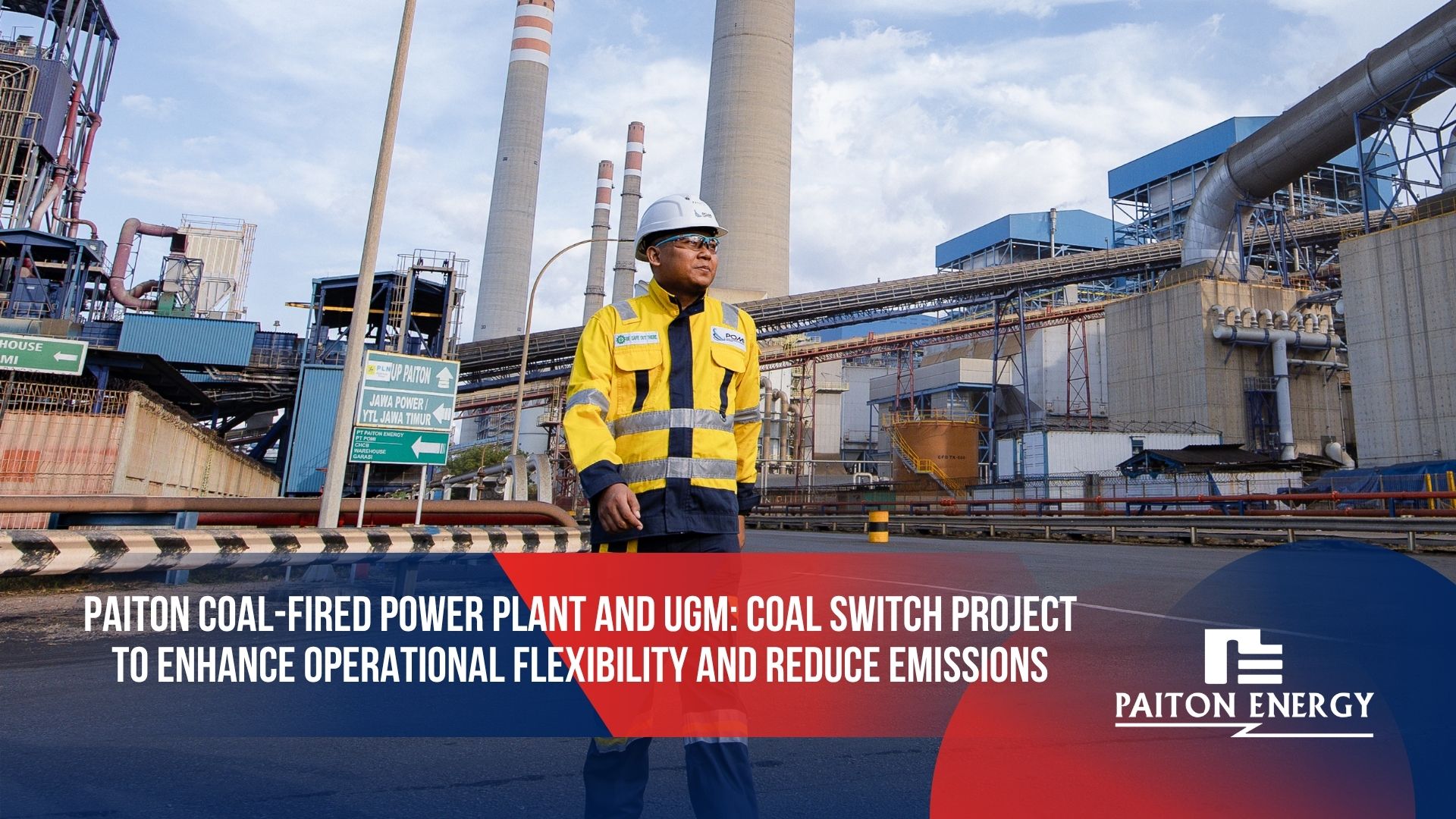
October 7, 2026 - PT Paiton Energy is working to prepare three coal-fired generating units in Indonesia to use a wider range of coal while maintaining reliable operations and meeting emissions standards. The company’s Coal Switch project covers Units 3, 7 and 8 at the Paiton Power Plant. Paiton Energy has partnered with the Energy Study Center at Universitas Gadjah Mada, known as PSE UGM, to evaluate how coal with a lower heating value affects plant equipment and performance. Coal quality can vary considerably. Differences in heating value, moisture, ash and sulfur content affect combustion, steam production and the equipment used to process fuel and control emissions. Adapting to these variations helps plants maintain dependable electricity production as available coal supplies change.
Lower-heating-value coal requires more fuel to produce the same amount of heat. That increases demand on the equipment that grinds coal into powder and feeds it into the boiler. Higher moisture content can also make coal harder to dry and interfere with a steady fuel supply. Without appropriate operating adjustments, changes in coal quality can reduce flame stability and steam production. Higher ash content places additional demands on ash-handling equipment and can cause deposits to build up on boiler surfaces. PSE UGM’s research shows that a plant’s ability to handle different coal grades depends on both fuel characteristics and equipment design. The studies are intended to establish safe operating limits for each unit. Researchers recommend adjusting coal blends, strengthening preventive maintenance and continuously monitoring emissions. Unit 3, an 815-MW supercritical generating unit, requires evaluations of its coal pulverizers, fans, air heaters, ash-handling equipment and emissions-control systems. Units 7 and 8, each with approximately 615 MW of capacity, require particular attention to boiler cleaning and ash management. The three units are operated by PT Paiton Operations and Maintenance Indonesia. Because their equipment configurations differ, each unit requires its own assessment and operating adjustments. The project’s approach includes equipment modifications, increased ash-handling capacity and rehabilitation of electrostatic precipitators, which remove particles from exhaust gases. Blending coal with higher and lower heating values helps keep the fuel mix within boiler operating limits and emissions requirements. UGM provides research and technical support for the project. Its work includes evaluating equipment limits, recommending maintenance and emissions-monitoring practices, and using X-ray technology to quickly analyze coal blends. The partnership is also exploring forestry initiatives to develop a biomass supply system. That work remains in the preparation stage, and biomass cofiring has not begun at the Paiton plant. The Coal Switch project is intended to give Paiton greater flexibility in coal purchasing and use while supporting reliable generation and environmental compliance. The company’s update does not provide a completion date or quantify any emissions reductions. |









|