







|
Signature Sponsor


October 9, 2026 - When the West Virginia Mountaineers take the field Saturday against Arizona, they’ll be wearing some of the coolest uniforms in college football. The all-black Coal Rush uniforms are sharp, and the connection to the state’s coal mining heritage makes them even more special. But I hope Rich Rodriguez and his coaching staff use this opportunity to remind their players that the Coal Rush represents something far more important than a marketing campaign or a uniform combination. In West Virginia, coal is complicated. It’s a source of tremendous pride, an industry that built communities, supported generations of families and helped shape the state’s identity. But that history also comes with tremendous sacrifice, environmental damage and lives lost. When you put on a uniform meant to honor that history, you should understand all of it.
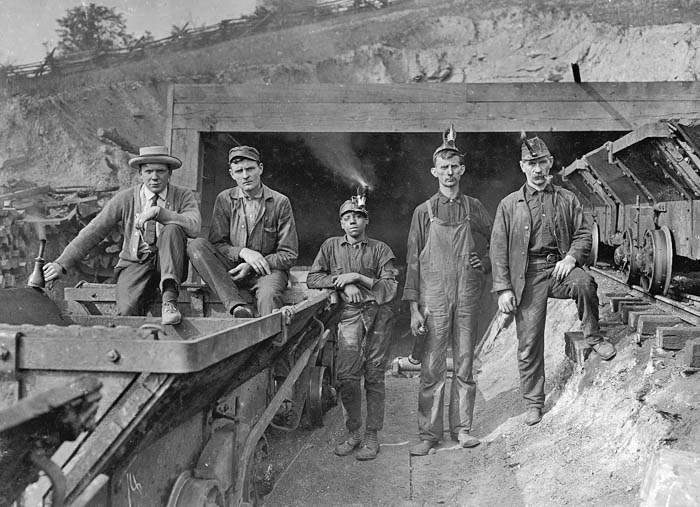
Coal miners in Boone County, WV circa 1890. Photo courtesy of legendsofamerica.com A lesson I didn’t expect at WVU When I attended West Virginia University in the late 1990s, I worked on WVU News as part of my broadcast journalism studies. Like just about every other guy in the class, I wanted to cover sports. Instead, I drew the environment beat. At the time, I wasn’t exactly thrilled. Looking back, it turned out to be one of the more valuable experiences of my college years. Covering environmental issues introduced me to a side of West Virginia that you don’t always see from the stands at Milan Puskar Stadium. You don’t have to travel far from Morgantown to see the environmental consequences of coal mining. Even near Morgantown, waterways have carried the orange discoloration associated with acid mine drainage. It’s a visible reminder of what mining can leave behind long after the work stops. Travel farther south through coal country, and the industry’s influence becomes even more apparent. You see the towns it built, the communities that depended on it, and the lasting consequences. That experience changed how I viewed the state. Coal wasn’t simply an industry. It was a way of life, with all the pride, hardship and contradictions that come with it. The pride and the price of coal Kentucky singer-songwriter Tyler Childers captures some of that complicated relationship in his song Coal. One lyric has always stuck with me: “That coal is going to bury you.” It’s a haunting line because it speaks to a reality that generations of Appalachian families understood. Coal mining provided a living, put food on tables, and gave families opportunities they might not otherwise have had. But the work came with enormous risks. Miners spent long days underground, often in dangerous conditions. Some developed debilitating illnesses. Others never came home. Meanwhile, the environmental consequences remain visible across parts of Appalachia. None of that diminishes the pride people feel in their families or their communities. In fact, I think it makes that pride even more meaningful. These were people who understood the risks and still went to work because their families depended on them. That’s the history behind the Coal Rush, and that’s what today’s Mountaineers deserve to understand. Rodriguez knows this history firsthand If there’s one person who can deliver that message to this football team, it’s Rich Rodriguez. He grew up in Grant Town, a coal mining community just outside Fairmont. His grandfather immigrated from Spain and worked in the mines. His father, Vince, followed that same path, as did other members of the family. Tragically, his grandfather eventually died from black lung disease. This isn’t some distant piece of West Virginia history for Rodriguez. It’s his family’s story. He grew up surrounded by people whose livelihoods depended on coal. He saw the work, the sacrifice and the toll it could take. And I suspect that’s part of why his message about toughness and accountability resonates so deeply with Mountaineer fans. “Most of the guys I went to high school with didn’t go to college,” said Rodriguez in an interview with NY Daily News. “They went straight into the mines because it was a a chance to make good money. It’s hard to find a job that pays that good of money in West Virginia. I went down there one time and I decided I didn’t want to do this. It was like going into a cave, but a lot smaller.” You can see where his ‘Hard Edge’ mentality was forged. It’s not a mantra it’s a way of life. More than a uniform in the transfer portal era College football has changed dramatically. Players move from school to school through the transfer portal, while NIL opportunities and financial considerations influence decisions in ways we couldn’t have imagined when I was a student. That’s the reality of today’s game, and I don’t begrudge these young men for taking advantage of the opportunities available to them. But those changes make it even more important for a coaching staff to explain what makes its university and community different. Some of these players grew up thousands of miles from West Virginia. They may have known very little about the state’s history before arriving in Morgantown, and that’s perfectly understandable. But now they represent West Virginia University, and Saturday offers a tremendous opportunity to teach them exactly what that means. Those black uniforms represent generations of families who worked underground. They represent communities built around an industry that demanded enormous sacrifices. They represent fathers, grandfathers, brothers and neighbors who helped shape the state these players now call home. For a few hours Saturday, those players will carry that history onto the field, and I hope they understand the responsibility that comes with it. Make the Coal Rush mean something WVU enters Saturday’s game against Arizona hoping to get its season back on track after consecutive Big 12 losses. There are plenty of football questions surrounding this team. The defense needs improvement, the offense needs consistency, and the Mountaineers desperately need a conference victory. But the Coal Rush provides something beyond another opportunity to win a football game. It’s a chance to connect a modern college football roster with the people and communities it represents. The uniforms will look incredible, fans will fill Milan Puskar Stadium wearing black, and the television cameras will capture every detail. That’s the easy part. The harder and more important part is making sure the players understand the meaning behind the design. The Coal Rush shouldn’t simply celebrate coal. It should honor the people who mined it, acknowledge the sacrifices they made, and recognize the complicated legacy they left behind. Rich Rodriguez understands that history better than most, and now he has an opportunity to pass it along to the young men wearing the Flying WV. |






|